
VS standalone · VTC integrated · VK kit
6-DoF Repetitive Shock Vibration Systems
Patented six-degree-of-freedom vibration tables driven by pneumatic actuators, producing non-coherent broadband energy from 10 to 10,000 Hz at up to 100 GRMS. Available as a ready-to-run standalone system, built into a VTC thermal chamber, or retrofitted to a chamber you already own.
- broadband frequency range
- 10–10,000 Hz
- maximum vibration level
- 100 GRMS
- 3 linear + 3 rotational, at once
- 6 axes
- square tables, plus long formats
- 12″ to 70″
- warranty on vibrators and tables
- 3 years
The method
How repetitive shock differs from a shaker
Electrodynamic shaker
Precise, controlled excitation, usually in one axis at a time, to a defined spectrum. The right tool for qualification testing.
Asks: does this survive a defined spectrum?
Hanse repetitive shock
Pneumatic actuators strike the table, producing broadband energy across all six axes simultaneously. It stimulates many resonances at once, which is what makes it efficient at precipitating latent defects for HALT and HASS.
Asks: where are the weak links, and how fast can we find them?
Most reliability programs need both, at different stages.
Configurations
Three ways to buy it
Standalone — VS (Vibration System)
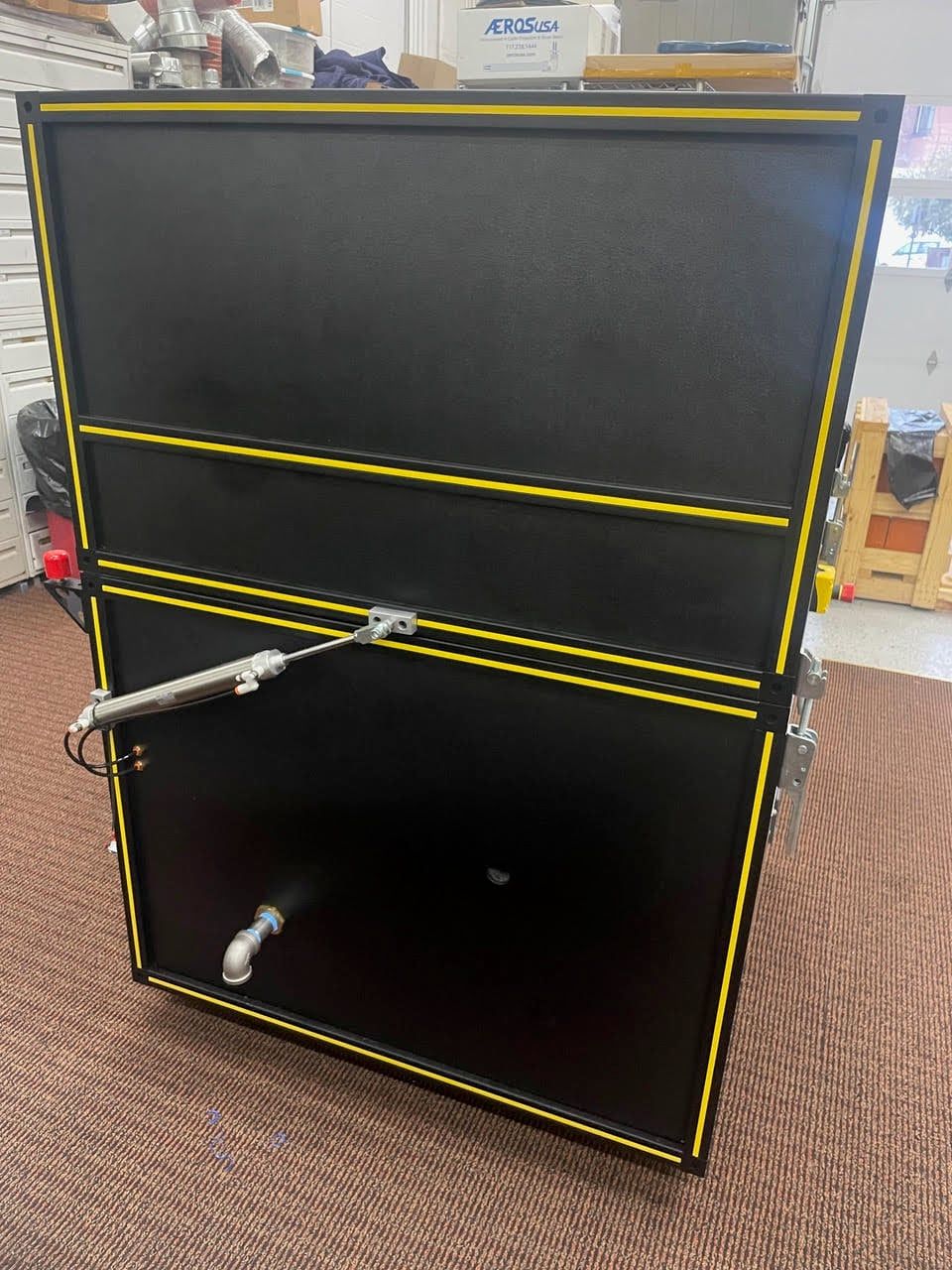
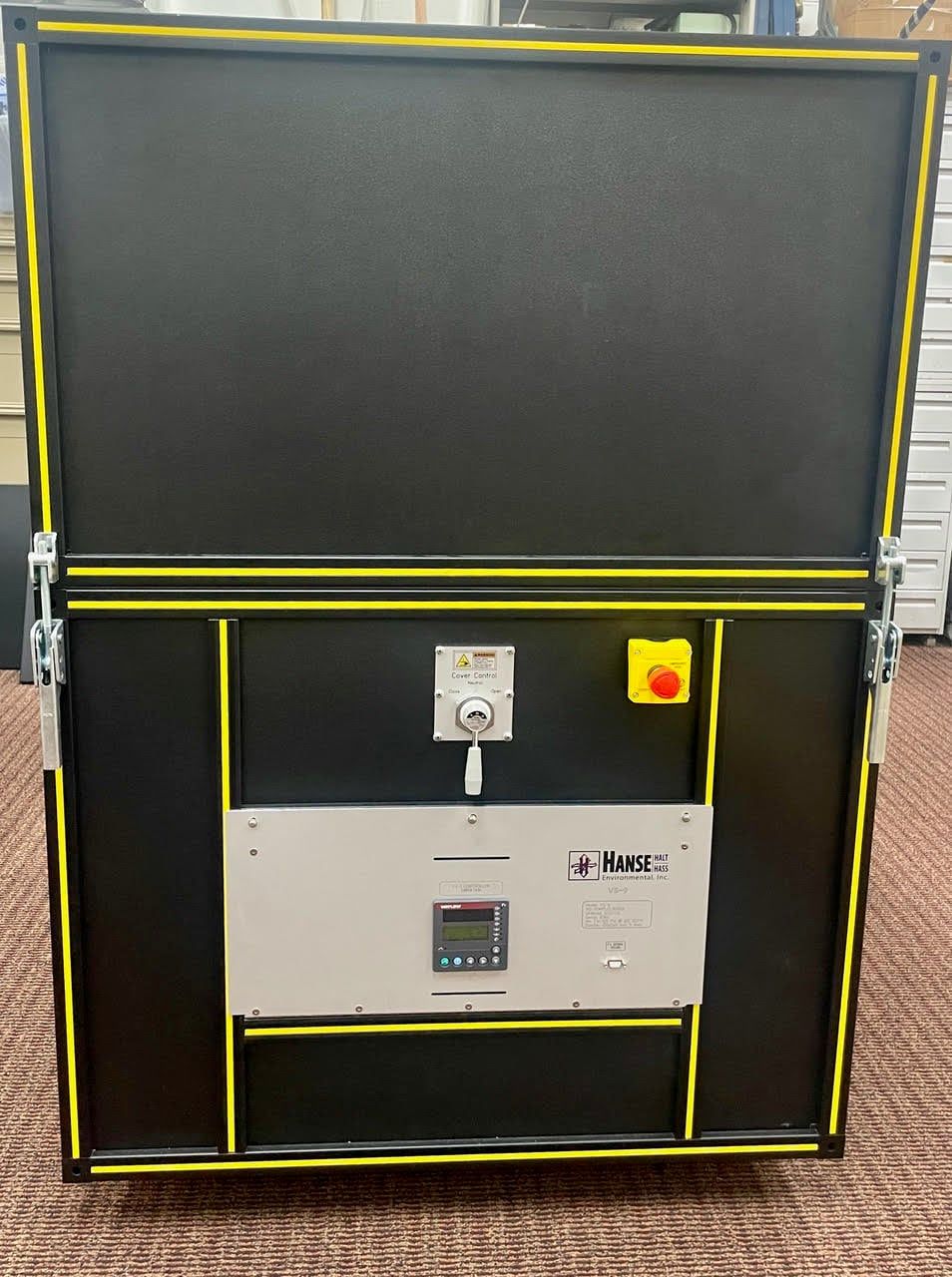
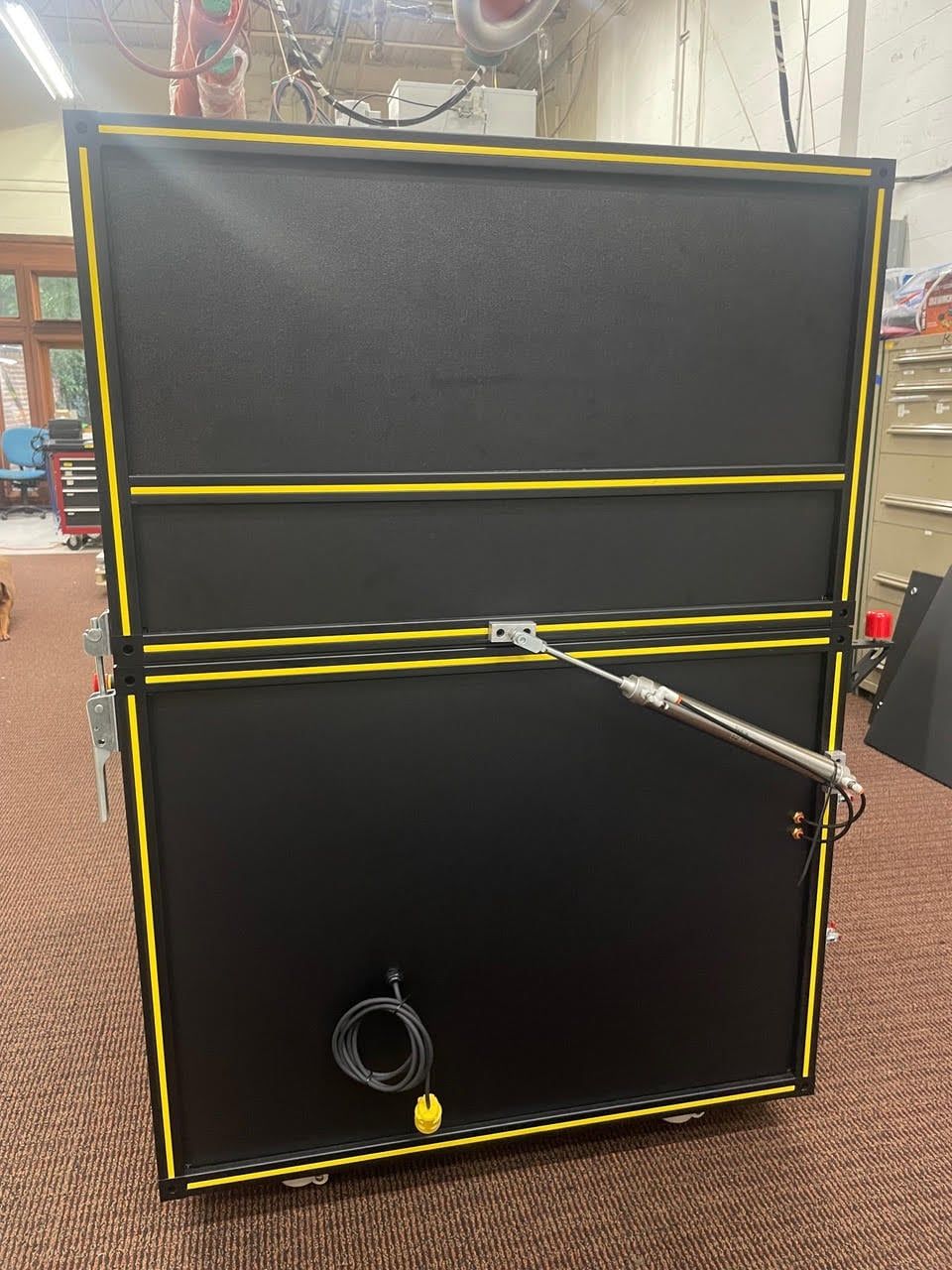
A complete, ready-to-run vibration system with sound enclosure, on casters. For vibration-only screening, bench work, or where you already have thermal capability.
Integrated — VTC (Vibration Thermal Chamber)
The same table built into a thermal chamber, sharing one ChamberCore profile, for combined temperature and vibration HALT and HASS.
See HALT/HASS chambers →Kit — VK (Vibration Kit)
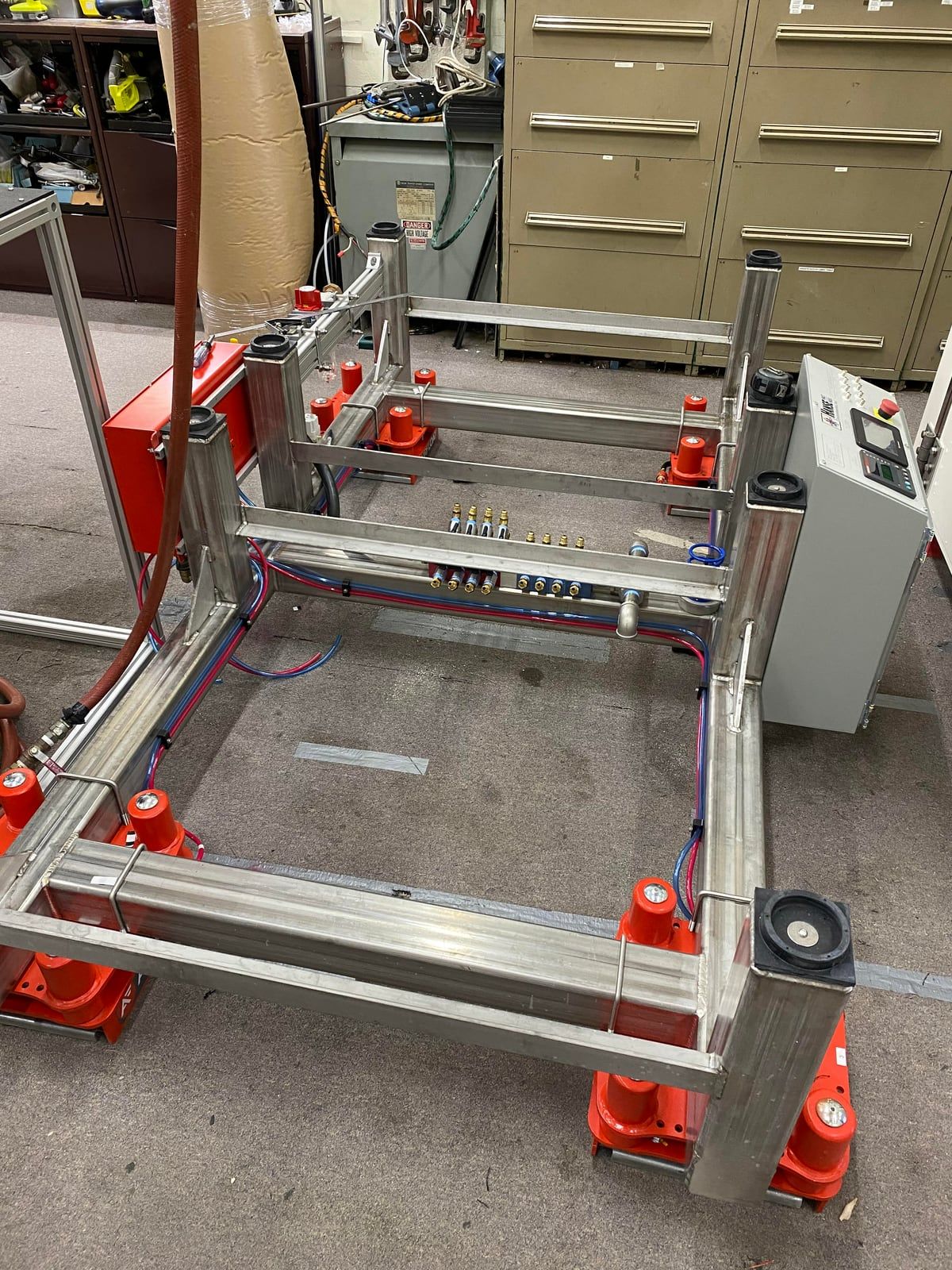
A Hanse table and actuators supplied as a kit to integrate into a chamber you already own, including chambers built by other manufacturers, or into your own system. HALT capability for a fraction of a new system.
Performance
Specifications
- Type
- Tri-axial six-degree-of-freedom (6-DoF), non-coherent broadband repetitive shock
- Frequency
- 10–10,000 Hz
- Level
- Up to 100 GRMS (unloaded table). Ultra-Hi vibration performance option on the 48 × 48 in (1,219 × 1,219 mm), 60 × 60 in (1,524 × 1,524 mm), 48 × 102 in (1,219 × 2,591 mm) and 70 × 70 in (1,778 × 1,778 mm) tables, standalone or in the VTC-16, VTC-16 ECO, VTC-25, VTC-32 and VTC-36 chambers.
- Table
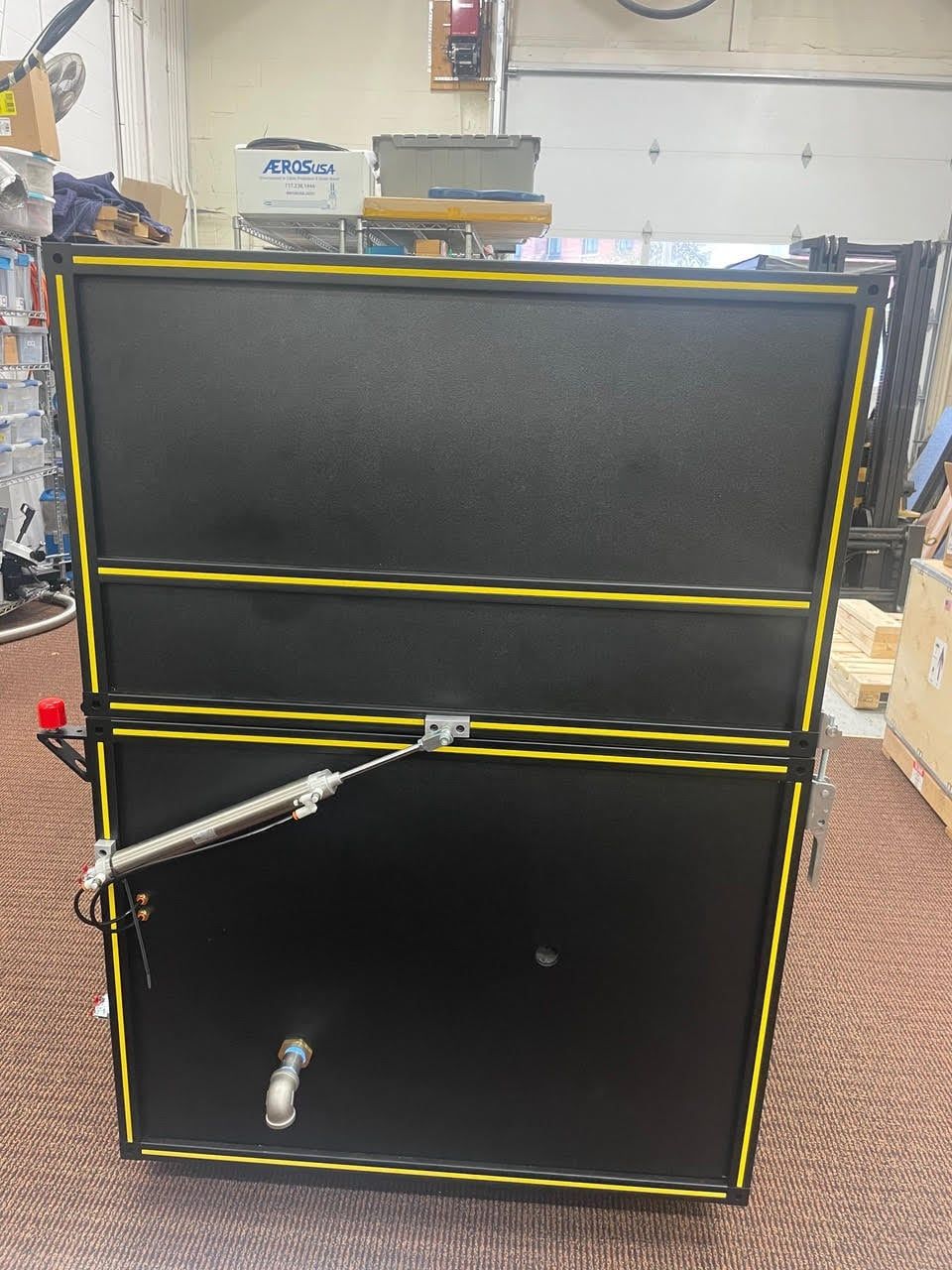
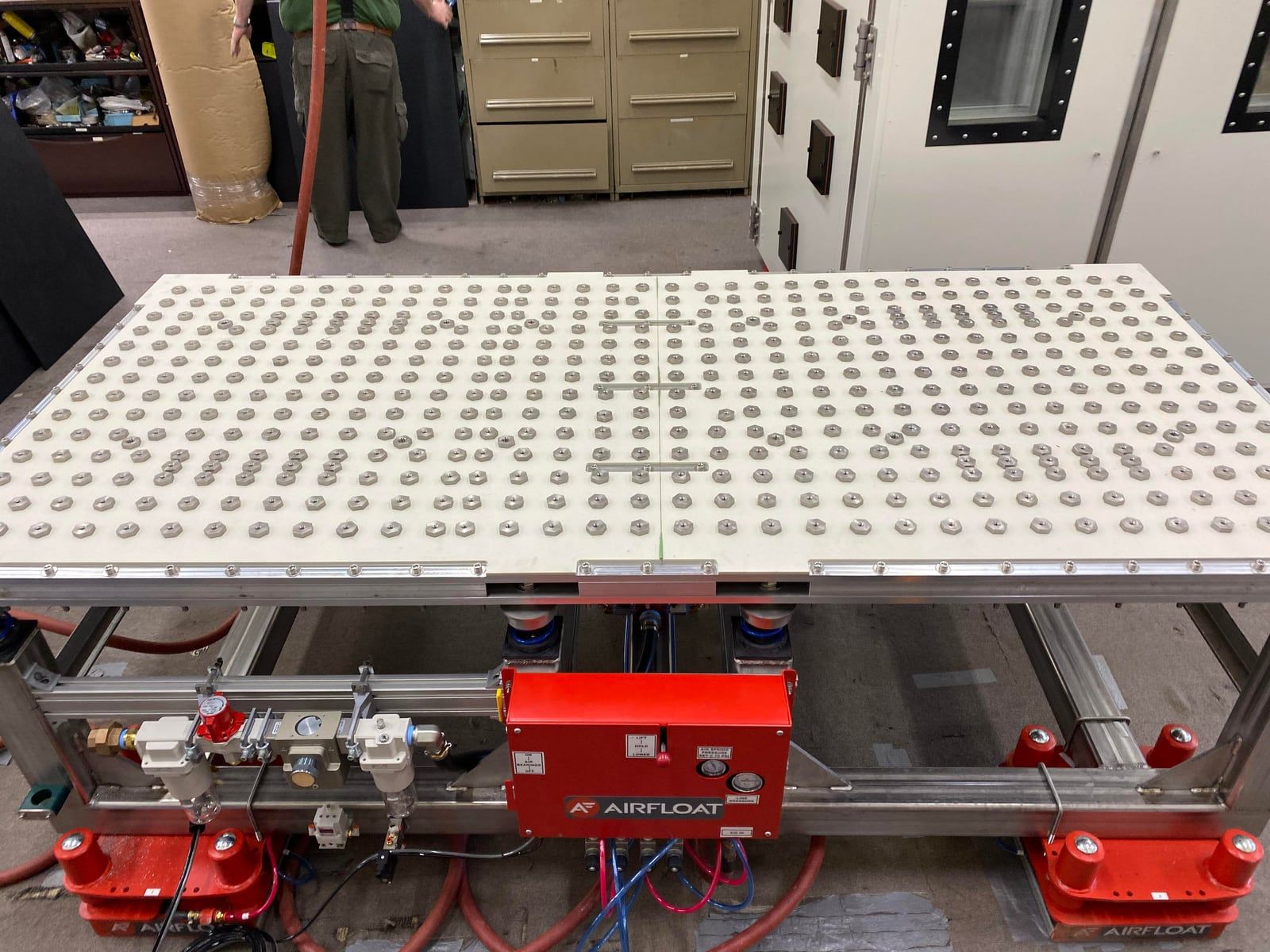
- Ceramic-coated, with 90% of vibration energy in 10–4,000 Hz; the coating insulates the table from its base for better temperature cycling and actuator life
- Actuation
- Pneumatic actuators sized and balanced to the table, each with its own ball valve and precision air regulator
- Inserts
- Stainless steel 3/8-16 or M10 over the full table surface, no restricted areas
- Repeatability
- ±1 GRMS within one minute
- Accelerometer
- Dytran 3030B5, 500 g, with cable and tri-axis block
- Sound level
- Nominally 68 dBA at 1 m at 10 GRMS when integrated in a VTC chamber; standalone systems run inside their sound enclosure
- Operating environment
- Usable across the full −100 to +200 °C chamber range: Hanse supplies the actuator systems and protections that make that possible
- Warranty
- Vibrators and vibration tables warranted for three years; the rest of the system for one year from shipment
Table sizes
Every VTC chamber size, standalone
Standalone systems come in the same table sizes as the VTC chamber range. The 36 × 78 in (914 × 1,981 mm) and 48 × 102 in (1,219 × 2,591 mm) long tables can also be supplied as two square tables.
| Table size | Standalone model | Matching VTC chamber |
|---|---|---|
| 12 × 12 in (305 × 305 mm) | VS-1 | VTC-1 |
| 20 × 20 in (508 × 508 mm) | VS-1.5 | VTC-1.5 |
| 24 × 24 in (610 × 610 mm) | VS-4 | VTC-4 |
| 30 × 30 in (762 × 762 mm) | VS-6 | VTC-6 |
| 36 × 36 in (914 × 914 mm) | VS-9 | VTC-9 / VTC-9 ECO |
| 48 × 48 in (1,219 × 1,219 mm) | VS-16 | VTC-16 / VTC-16 ECO |
| 36 × 78 in (914 × 1,981 mm)(or 2 × 36 × 36 in (914 × 914 mm)) | VS-18 | VTC-18 |
| 60 × 60 in (1,524 × 1,524 mm) | VS-25 | VTC-25 |
| 48 × 102 in (1,219 × 2,591 mm)(or 2 × 48 × 48 in (1,219 × 1,219 mm)) | VS-32 | VTC-32 |
| 70 × 70 in (1,778 × 1,778 mm) | VS-36 | VTC-36 |
Control and measurement
See what the product experienced
Watlow + ChamberCore
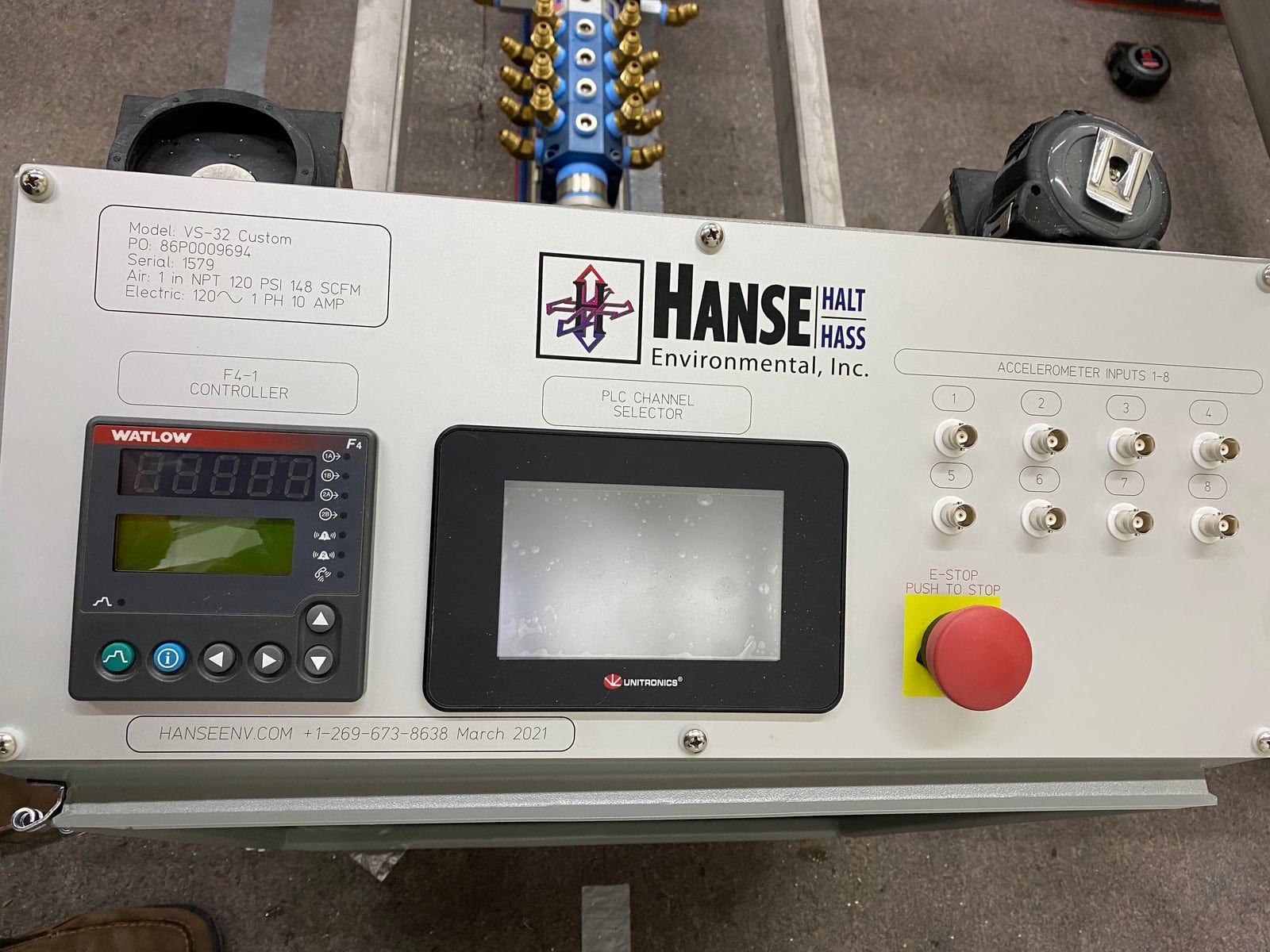
Programmable vibration ramps, GRMS level and test duration, synchronized with temperature on integrated systems.
Explore ChamberCore and the live demo →ChamberFFT — to 16 channels
Real-time vibration analysis on up to 16 simultaneous IEPE accelerometer channels at 25,600 samples per second per channel.
GRMS control
Control from a single accelerometer or the average of several, with values written straight to the Watlow controller for closed-loop vibration control.
ChamberFFT vibration analysis
ChamberFFT adds real-time vibration monitoring and spectral analysis to ChamberCore, in the same dashboard and reports as the rest of the test. See what the product actually experienced, how much fatigue damage the profile is doing, and whether the table is holding level.
Try ChamberFFT in the live ChamberCore demo →- Inputs
- Up to 16 simultaneous IEPE accelerometer channels: 4 per Digilent WebDAQ 504, up to 4 devices
- Acquisition
- 25,600 samples per second per channel, AC or DC coupling, 1–500 mV/g sensitivity
- Live metrics
- GRMS, peak and crest factor per channel, plus linear average and vector sum across channels
- Spectral analysis
- Power spectral density (Welch's method, Hann window, g²/Hz), shock response spectrum and waterfall / spectrogram
- Fatigue
- Rainflow cycle counting to ASTM E1049, fatigue damage, and a fatigue damage spectrum with equivalent-PSD synthesis for test tailoring
- Closed-loop control
- GRMS, linear average and vector sum written straight to the Watlow F4T: up to 24 mapped variables
- Snapshots and export
- Automatic at a set interval and after every setpoint change, with history playback, comparison and CSV / Excel export
- Triggers and traceability
- Start manually, on boot, or from a profile, sequence, event output or digital input. Accelerometer serial number and model recorded per channel
- Fixtures — designed for your product, Metric or English layout (4 in or 100 mm square bolt pattern).
- VK vibration kits — for existing chambers, including other manufacturers' systems.
Custom vibration systems
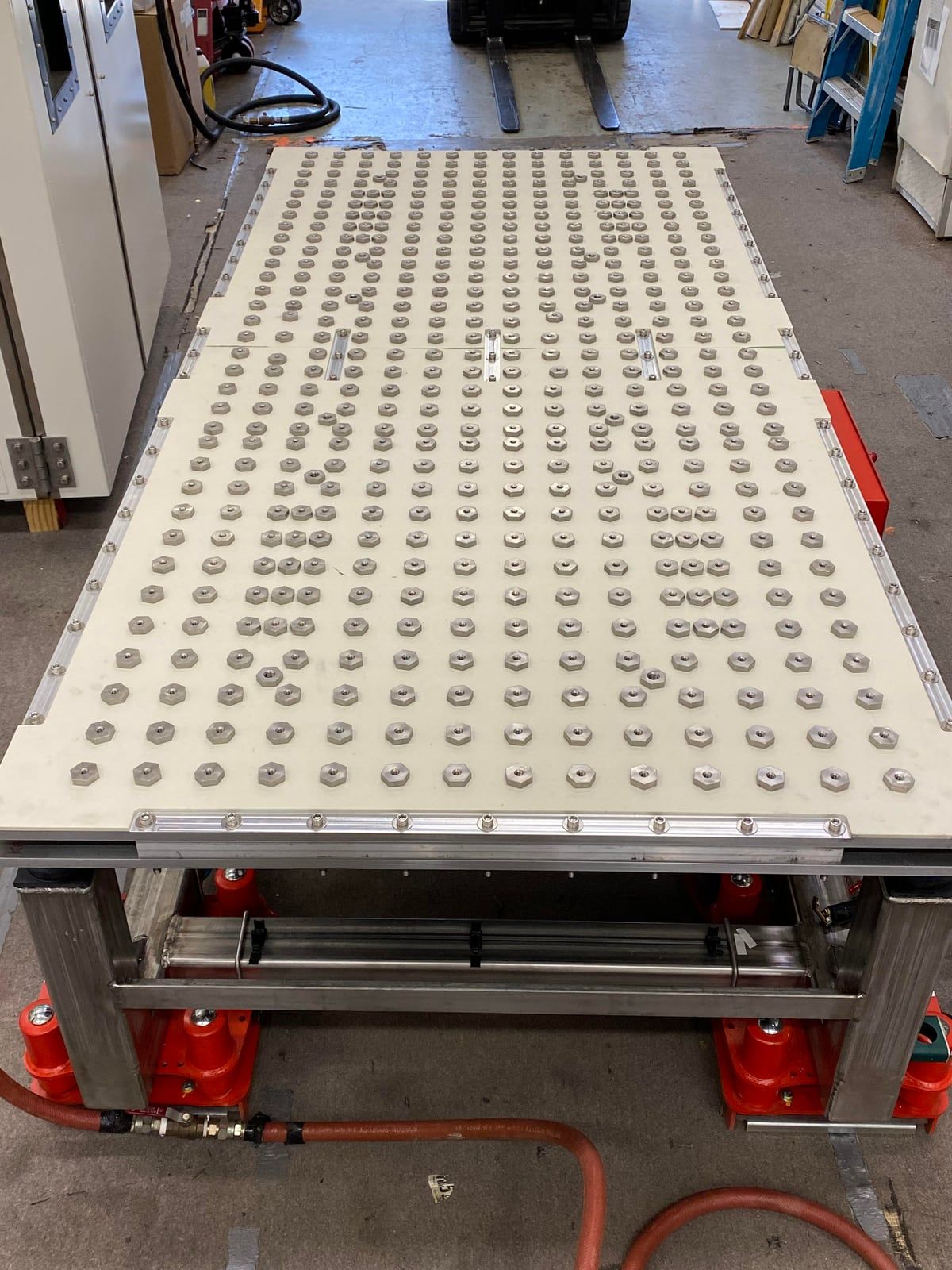
Sizes and configurations outside the standard range are built to order, from systems on air casters and custom carts to tables integrated into walk-in chambers and combined temperature, humidity and vibration builds.
Frequently asked questions
What is a 6 degree of freedom vibration system?
A vibration table driven so that it moves in all six degrees of freedom at once — three translational axes and three rotational axes. Pneumatic actuators strike the table to produce non-coherent broadband energy, which excites many resonances in a test product simultaneously rather than one axis at a time.
How is repetitive shock different from an electrodynamic shaker?
An electrodynamic shaker produces precise, controlled excitation, usually in one axis at a time, to a defined spectrum, which suits qualification testing. Repetitive shock produces broadband energy in all six degrees of freedom at once. It is far more efficient at precipitating latent defects quickly, which is what HALT and HASS need, but it is not a controlled-spectrum test. Most reliability programs use both, at different stages.
What frequency range and GRMS level do Hanse vibration systems produce?
Tri-axial six-degree-of-freedom non-coherent broadband vibration from 10 to 10,000 Hz, up to 100 GRMS, repeatable to ±1 GRMS within one minute. The ceramic-coated table puts 90% of its energy in the 10–4,000 Hz range, and an Ultra-Hi vibration performance option is available on the 48 × 48 in (1,219 × 1,219 mm), 60 × 60 in (1,524 × 1,524 mm), 48 × 102 in (1,219 × 2,591 mm) and 70 × 70 in (1,778 × 1,778 mm) tables.
Can I add a Hanse vibration table to a chamber I already own?
Often, yes. A VK (Vibration Kit) supplies the Hanse table and actuators to integrate into a chamber you already own, including chambers built by other manufacturers. If your chamber already has a fast enough temperature change rate, a kit can add HALT capability for a fraction of the cost of a new system.
What table sizes are available?
Standalone systems come in the same table sizes as the VTC chamber range: 12 × 12, 20 × 20, 24 × 24, 30 × 30, 36 × 36, 48 × 48, 60 × 60 and 70 × 70 in (305 × 305 to 1,778 × 1,778 mm), plus 36 × 78 in (914 × 1,981 mm) and 48 × 102 in (1,219 × 2,591 mm) long tables, which can also be supplied as two square tables. Other sizes are built to order.
How loud is it?
Nominally 68 dBA at 1 m at 10 GRMS for a vibration system integrated in a VTC chamber, which uses multi-layer thermal and acoustic insulation. Standalone systems ship with a sound enclosure.
What do VTC, TC, VS and VK stand for?
VTC is a Vibration Thermal Chamber, combining temperature and six-degree-of-freedom vibration for HALT and HASS. TC is a Thermal Chamber, without vibration. VS is a standalone Vibration System. VK is a Vibration Kit: the table and actuators supplied to integrate into an existing chamber or another system.
Why is the table ceramic coated?
The ceramic coating thermally insulates the table top from the table base. That improves temperature cycling at the product and extends actuator life by keeping extreme temperatures away from the pneumatic hardware.
Tell us what you need to shake
Product size, mass and the GRMS you are trying to reach — that is enough for us to tell you which table fits.