Halt Testing Techniques: HALT HASS Chambers Ensuring Product Reliability
In today’s competitive manufacturing landscape, ensuring product reliability is not just a goal but a necessity. Products must withstand harsh environments and rigorous use without failure. This is where advanced testing methods like Highly Accelerated Life Testing (HALT) and Highly Accelerated Stress Screening (HASS) come into play. These techniques help identify weaknesses early in the design and production phases, reducing costly recalls and warranty claims. Among the tools that facilitate these processes, the halt hass chamber stands out as a critical asset for reliability engineers and technicians.
Understanding Halt Testing Techniques
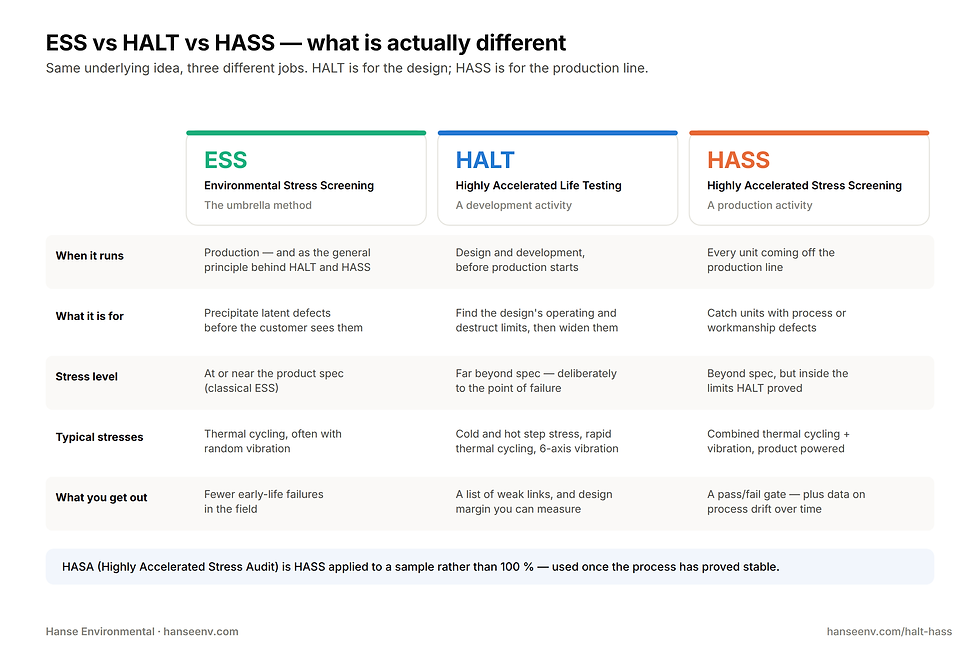
HALT and HASS are complementary testing methodologies designed to push products beyond their normal operating limits to uncover potential failure modes. HALT focuses on product development by exposing prototypes to extreme stresses, while HASS is used during production to screen for defects.
HALT testing techniques involve subjecting a product to rapid temperature cycling, vibration, and combined stresses to accelerate the aging process. This helps engineers identify design weaknesses and improve robustness before mass production. For example, an automotive sensor might be exposed to temperature swings from -40°C to 125°C combined with intense vibration to simulate years of real-world use in a matter of days.
HASS, on the other hand, is a production-level screening process that applies stresses just beyond the product’s operational limits to catch manufacturing defects. It is less severe than HALT but still rigorous enough to detect latent faults. For instance, consumer electronics like smartphones undergo HASS to ensure each unit meets reliability standards before shipping.
Both techniques reduce time-to-market and improve product quality by catching issues early. Using a halt hass chamber allows precise control of environmental conditions and vibration profiles, making these tests repeatable and reliable.

What is the difference between HASS and HALT?
While HALT and HASS are often mentioned together, they serve distinct purposes in the product lifecycle. Understanding their differences is crucial for applying them effectively.
HALT (Highly Accelerated Life Testing):
- Used primarily during product development.
- Applies extreme stresses beyond design limits to identify failure modes.
- Helps improve product design and robustness.
- Tests are destructive or push products to failure to gather data.
- Typically performed on prototypes or early production samples.
HASS (Highly Accelerated Stress Screening):
- Used during production to screen for defects.
- Applies stresses just beyond operational limits but less severe than HALT.
- Detects manufacturing defects and latent faults.
- Non-destructive and designed for 100% screening of production units.
- Ensures consistent product quality before shipment.
In practice, HALT informs design improvements, while HASS ensures manufacturing consistency. Both are essential for a comprehensive reliability program.
Key Benefits of Using HALT HASS Chambers
Incorporating HALT and HASS testing into your reliability strategy offers several tangible benefits:
Early Detection of Design Flaws:
HALT exposes weaknesses that might not appear under normal testing conditions. This early insight allows engineers to refine designs before costly production runs.
Reduced Warranty Costs:
By catching defects during production with HASS, companies can significantly reduce field failures and warranty claims.
Accelerated Product Development:
HALT compresses the time needed to validate product durability, enabling faster time-to-market.
Improved Customer Satisfaction:
Reliable products build brand reputation and customer trust.
Compliance with Industry Standards:
Many industries, including aerospace and automotive, require rigorous environmental and vibration testing. HALT and HASS help meet these standards efficiently.
Cost Savings:
Identifying and fixing issues early reduces expensive recalls and rework.
Using a dedicated environmental chamber designed for HALT and HASS testing ensures precise control over temperature, humidity, and vibration. This precision is critical for repeatable and valid test results.

Practical Recommendations for Implementing HALT and HASS
To maximize the effectiveness of HALT and HASS testing, consider the following best practices:
Select the Right Equipment:
Invest in a reliable halt hass chamber that offers accurate temperature control, vibration profiles, and data logging capabilities.
Define Clear Test Objectives:
Establish what failure modes you want to detect and the stress levels to apply. This ensures tests are focused and meaningful.
Use Cross-Functional Teams:
Involve design engineers, reliability experts, and production staff to interpret results and implement improvements.
Develop a Structured Test Plan:
Include stepwise stress increases, dwell times, and failure criteria. Document all procedures for consistency.
Analyze Failures Thoroughly:
Use root cause analysis to understand why failures occur and how to fix them.
Integrate Testing Early:
Start HALT during prototype development and continue with HASS during production to maintain quality.
Train Personnel:
Ensure technicians understand chamber operation, safety protocols, and data interpretation.
Maintain Equipment Regularly:
Calibration and preventive maintenance keep chambers operating within specifications.
By following these guidelines, you can leverage HALT and HASS testing to build more reliable products and reduce costly failures.
Future Trends in Environmental Testing and Reliability
The field of environmental testing continues to evolve with advances in technology and increasing product complexity. Here are some trends shaping the future of HALT and HASS testing:
Integration of Smart Sensors:
Real-time monitoring of test conditions and product responses enables more precise control and faster failure detection.
Automation and Data Analytics:
Automated test sequences combined with AI-driven analysis help identify subtle failure patterns and optimize test parameters.
Expanded Stress Profiles:
New test chambers can simulate combined stresses such as thermal, vibration, humidity, and altitude simultaneously for more realistic testing.
Sustainability Focus:
Energy-efficient chambers and eco-friendly testing protocols are gaining importance.
Customization for Emerging Industries:
As electric vehicles, IoT devices, and aerospace technologies advance, tailored HALT and HASS solutions are becoming essential.
Staying informed about these developments will help you maintain a competitive edge in product reliability.
Enhancing Product Reliability with Advanced Testing Solutions
Reliability is a cornerstone of successful product development and manufacturing. Employing HALT and HASS testing techniques using state-of-the-art chambers allows you to identify weaknesses early, improve designs, and ensure consistent quality. The investment in these testing methods pays off through reduced failures, faster development cycles, and increased customer satisfaction.
If you are looking to implement or upgrade your environmental testing capabilities, consider partnering with a provider specializing in advanced chambers and vibration systems. Their expertise and equipment can help you meet demanding industry standards and accelerate your product development process.
By embracing these rigorous testing approaches, you position your products for long-term success in challenging markets.