
In the world of product development and reliability testing, understanding how temperature changes over time is crucial. Whether you are working on automotive components, aerospace systems, or consumer electronics, knowing the factors that influence temperature change rates can help you design better tests and improve product durability. Temperature fluctuations can cause material stress, affect electronic performance, and even lead to premature failure if not properly accounted for.
In this post, I will walk you through the key factors that affect how quickly temperature changes occur. I will also share practical insights on how to manage these factors during environmental testing to ensure your products meet stringent industry standards.
Key Temperature Change Rate Factors to Consider
When we talk about temperature change rate factors, we refer to the variables that determine how fast or slow a material or environment heats up or cools down. These factors are essential for reliability engineers and technicians to understand because they directly impact test design and interpretation.
Here are the primary factors:
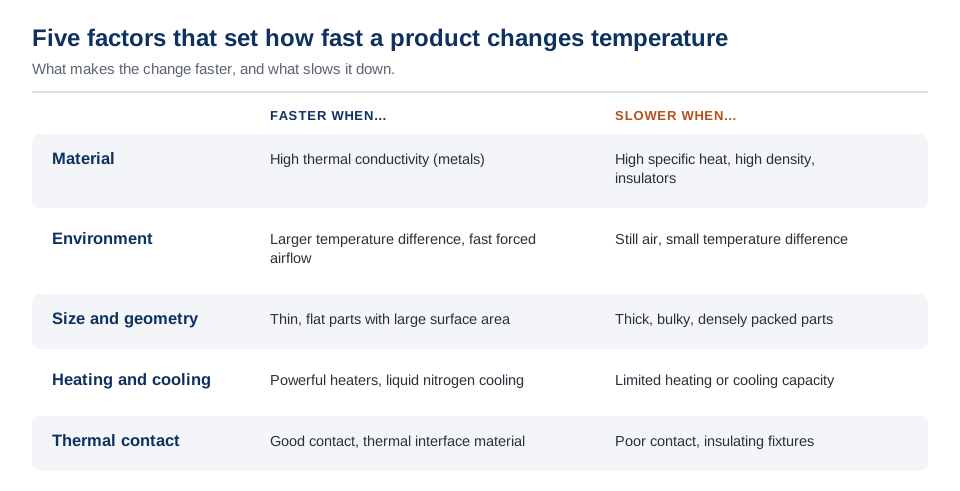
1. Material Properties
The physical and thermal properties of materials play a significant role in temperature change rates. Some of the most important properties include:
- Thermal Conductivity: Materials with high thermal conductivity, like metals, transfer heat quickly, leading to faster temperature changes. Insulators, such as plastics or ceramics, slow down heat transfer.
- Specific Heat Capacity: This is the amount of heat required to raise the temperature of a material by one degree Celsius. Materials with high specific heat capacity absorb more heat before their temperature rises significantly.
Density: Denser materials tend to store more heat energy, affecting how quickly they respond to temperature changes.
For example, in aerospace applications, aluminum alloys are often preferred for their balance of thermal conductivity and weight, allowing components to respond predictably to temperature shifts during flight.
2. Environmental Conditions
The surrounding environment greatly influences temperature change rates. Key environmental factors include:
- Ambient Temperature: The difference between the initial temperature of the object and the ambient temperature drives the rate of heat transfer.
- Airflow and Convection: Forced airflow, such as fans or wind, increases heat transfer rates by convection, speeding up temperature changes.
Humidity: Moisture in the air can affect heat transfer, especially in materials sensitive to moisture absorption.
In test laboratories, controlling airflow and humidity is critical to achieving consistent and repeatable temperature cycling results.
3. Surface Area and Geometry
The shape and size of the object under test affect how quickly it heats or cools:
- Surface Area: Larger surface areas exposed to the environment allow more heat exchange, increasing the rate of temperature change.
Geometry: Thin or flat components heat and cool faster than thick or bulky ones due to shorter heat conduction paths.
For instance, electronic circuit boards with large exposed copper areas will respond differently to temperature changes compared to compact, densely packed modules.
4. Heat Source and Cooling Methods
The method used to change the temperature also impacts the rate:
- Heating Elements: Electric heaters, infrared lamps, or hot air blowers provide different heating rates and uniformity.
Cooling Systems: Refrigeration, liquid nitrogen, or forced air cooling can vary in how quickly they reduce temperature.
Selecting the right heating and cooling methods is essential for simulating real-world conditions accurately during environmental testing.
5. Thermal Contact and Insulation
How well the test object is thermally connected to its environment or test equipment affects temperature change rates:
- Thermal Contact Resistance: Poor contact between surfaces can slow heat transfer.
Insulation: Insulating materials reduce heat loss or gain, moderating temperature changes.
In vibration and environmental chambers, ensuring good thermal contact between the test item and the chamber surface helps achieve precise temperature control.
Rising ambient temperatures and product testing
Ambient temperature is not only a question for climate scientists; it also has implications for product testing and reliability. The temperatures a product meets in the field affect how it performs and how its tests should be designed.
Products exposed to outdoor conditions face the full range of their local climate, and where ambient temperatures run higher they face more severe thermal stress. For manufacturers, this underscores the importance of testing products under a wide enough range of temperature extremes, and at realistic rates of temperature change, to simulate real-world conditions accurately.
Understanding the environment a product will see helps reliability engineers anticipate challenges and adapt testing protocols accordingly.
Practical Recommendations for Managing Temperature Change Rates in Testing
Given the factors discussed, here are some actionable recommendations to optimize your environmental testing processes:
Select Materials Thoughtfully
Choose materials with thermal properties that match your product’s operating environment. For example, use materials with higher thermal conductivity if rapid heat dissipation is needed.
Control Environmental Variables
Maintain consistent airflow, humidity, and ambient temperature in your test chambers. Use sensors to monitor these parameters continuously.
Design Test Samples with Geometry in Mind
When possible, design test samples that reflect the actual product geometry to get realistic temperature response data.
Optimize Heating and Cooling Systems
Use heating and cooling methods that provide uniform temperature changes. Avoid hotspots or cold spots that can skew test results.
Ensure Good Thermal Contact
Use thermal interface materials or fixtures to improve heat transfer between the test item and the chamber.
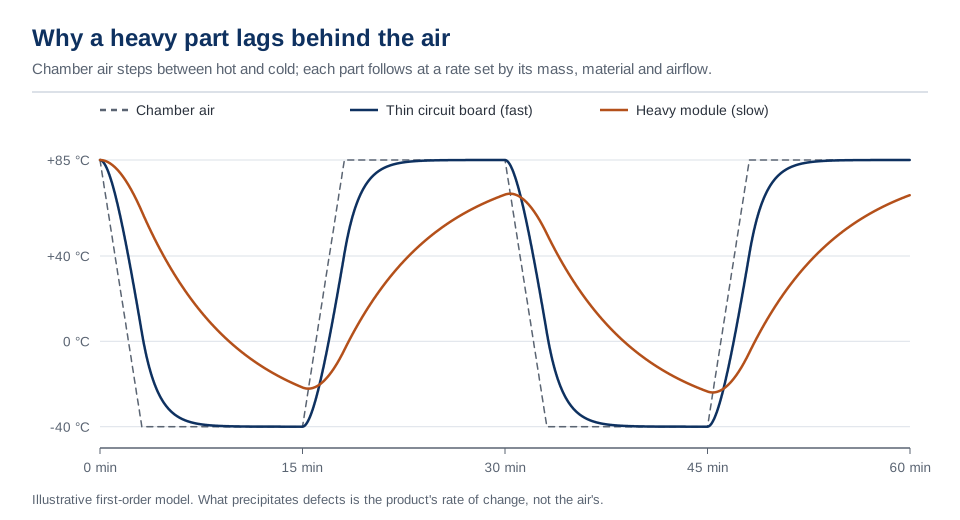
Monitor and Adjust Rate of Temperature Change
Adjust the rate of temperature change in your tests to reflect real-world conditions. Too rapid changes may not represent actual use cases, while too slow changes might miss critical stress points.
Why Understanding Temperature Change Rate Factors Matters
In industries like automotive, aerospace, and electronics, product reliability is non-negotiable. Components must withstand temperature fluctuations without failure. By understanding the factors that influence temperature change rates, you can:
- Design more effective environmental tests
- Predict product behavior under thermal stress
- Reduce development cycles by identifying weaknesses early
Ensure compliance with industry standards
This knowledge ultimately leads to safer, more durable products that perform reliably in the field.
Moving Forward with Confidence in Thermal Testing
Mastering the factors that influence temperature change rates empowers you to create robust testing protocols. It also helps you interpret test results with greater accuracy, leading to better product designs and fewer surprises in the field.
As environmental testing technology advances, staying informed about these factors will keep you ahead in developing products that meet and exceed expectations. Remember, precise control and understanding of temperature dynamics are key to unlocking product reliability and success.
By focusing on these temperature change rate factors, you can confidently push the boundaries of product development and ensure your solutions stand the test of time and temperature.