

Enhancing Testing Accuracy with HASS Testing Chambers
In the fast-paced world of product development, ensuring reliability and durability is paramount. Products must withstand various environmental stresses before reaching the market. This is where environmental testing chambers come into play, offering controlled conditions to simulate real-world scenarios. Among these, HASS testing chambers have emerged as a vital tool for accelerating product validation and improving testing accuracy. In this article, I will explore how these chambers enhance testing processes, their applications, and practical tips for maximizing their benefits.
Understanding HASS Testing Chambers and Their Role
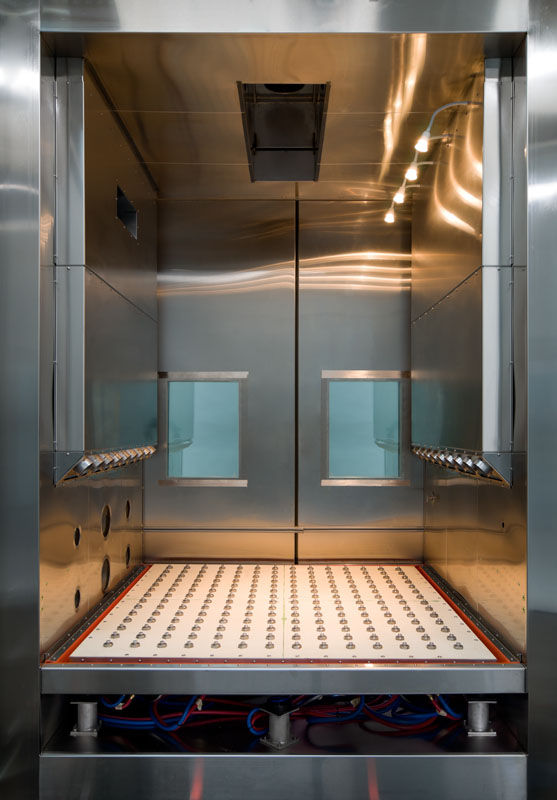
HASS, or Highly Accelerated Stress Screening, testing chambers are specialized environmental chambers designed to expose products to rapid and extreme temperature and humidity changes. These chambers simulate harsh conditions that products might encounter during their lifecycle, such as thermal cycling, humidity fluctuations, and mechanical stress.
The primary goal of HASS testing chambers is to identify latent defects early in the manufacturing process. By accelerating stress conditions, these chambers help detect weaknesses that might not appear under normal testing timelines. This proactive approach reduces field failures, improves product quality, and shortens development cycles.
For example, in the automotive industry, electronic control units (ECUs) undergo HASS testing to ensure they can endure temperature swings from cold starts to hot engine environments. Similarly, aerospace components are tested for resilience against rapid altitude and temperature changes.
Key Features of HASS Testing Chambers
When selecting or working with HASS testing chambers, it is essential to understand their core features that contribute to testing accuracy:
Rapid Temperature Cycling: HASS chambers can quickly shift between high and low temperatures, often within minutes. This rapid cycling stresses components and reveals potential failures caused by thermal expansion and contraction.
Controlled Humidity Levels: Precise humidity control allows simulation of moisture-related stresses, such as corrosion or insulation breakdown.
Uniform Environmental Conditions: Advanced airflow systems ensure consistent temperature and humidity throughout the chamber, preventing hotspots or gradients that could skew results.
Data Logging and Monitoring: Integrated sensors and software provide real-time data on environmental conditions and product responses, enabling detailed analysis.
Customizable Test Profiles: Users can program specific temperature and humidity cycles tailored to product requirements or industry standards.
These features collectively enhance the reliability of test results, providing confidence that products will perform as expected in the field.
What is HASS Used For?
HASS testing chambers serve multiple purposes across various industries, primarily focusing on quality assurance and reliability improvement. Here are some common applications:
Early Defect Detection
By exposing products to accelerated stress, HASS testing identifies manufacturing defects such as solder joint cracks, component failures, or material weaknesses before products leave the factory.
Process Validation
Manufacturers use HASS chambers to validate production processes, ensuring that assembly methods and materials consistently produce robust products.
Product Qualification
New designs undergo HASS testing to verify that they meet or exceed industry reliability standards, reducing the risk of costly recalls or warranty claims.
Failure Analysis
When products fail in the field, HASS testing can replicate conditions to understand failure modes and implement corrective actions.
Compliance Testing
Certain industries require environmental stress screening as part of regulatory compliance, making HASS chambers indispensable.
For instance, consumer electronics companies rely on HASS testing to ensure smartphones and wearables survive temperature extremes and humidity during daily use. Military and aerospace sectors use these chambers to certify equipment for harsh operational environments.

Practical Recommendations for Maximizing Testing Accuracy
To fully leverage the capabilities of HASS testing chambers, consider the following best practices:
Define Clear Test Objectives
Before starting, establish what you want to achieve with HASS testing. Are you screening for early defects, validating a new process, or qualifying a product? Clear goals help tailor test profiles effectively.
Develop Realistic Test Profiles
Design temperature and humidity cycles that mimic actual field conditions but accelerate stress to reveal weaknesses quickly. Avoid overly aggressive profiles that may cause unrealistic failures.
Ensure Proper Sample Preparation
Handle test samples carefully to avoid introducing damage unrelated to environmental stress. Proper mounting and connection methods are crucial for accurate results.
Monitor and Analyze Data Continuously
Use the chamber’s data logging features to track environmental conditions and product responses. Analyze trends and anomalies to identify potential issues early.
Maintain Chamber Calibration and Maintenance
Regular calibration of sensors and preventive maintenance ensure the chamber operates within specified parameters, preserving test accuracy.
Integrate with Other Testing Methods
Combine HASS testing with vibration, shock, or electrical stress tests for comprehensive product evaluation.
By following these recommendations, you can enhance the reliability of your testing process and reduce time-to-market.
The Impact of HASS Testing Chambers on Product Development
Incorporating HASS testing chambers into the development cycle offers tangible benefits that extend beyond simple defect detection:
Accelerated Development Cycles
Rapid stress screening shortens the time needed to identify and fix design or manufacturing issues, enabling faster product launches.
Cost Savings
Early detection of defects reduces warranty claims, recalls, and field failures, saving significant costs over a product’s lifecycle.
Improved Product Quality
Consistent and thorough testing ensures products meet stringent reliability standards, enhancing brand reputation.
Enhanced Customer Satisfaction
Reliable products that perform well in diverse environments build customer trust and loyalty.
Regulatory Compliance
Meeting industry standards through rigorous testing facilitates market access and reduces legal risks.
For example, a consumer electronics manufacturer reported a 30% reduction in field failures after integrating HASS testing chambers into their quality assurance process. Similarly, aerospace suppliers use these chambers to meet demanding certification requirements efficiently.
Choosing the Right HASS Testing Chamber Provider
Selecting a reliable partner for environmental testing chambers is critical. Look for providers who offer:
Advanced Technology
Chambers with precise control, uniformity, and customizable profiles.
Industry Expertise
Experience serving your specific sector, understanding unique testing needs.
Comprehensive Support
Installation, training, maintenance, and calibration services.
Scalability
Solutions that can grow with your testing demands.
Integration Capabilities
Compatibility with data management and automation systems.
Hanse Environmental, for instance, specializes in advanced environmental testing chambers and vibration systems. Their solutions help companies rigorously test and improve products to meet demanding industry standards and accelerate development cycles.
If you want to explore more about the technology, you can learn about the hass chamber and how it can fit your testing needs.
Moving Forward with Confidence in Testing
Incorporating HASS testing chambers into your product development and quality assurance processes is a strategic move. These chambers provide a controlled, accelerated environment to uncover hidden defects and validate product robustness. By understanding their features, applications, and best practices, you can enhance testing accuracy and reliability.
Remember, the key to success lies in clear objectives, realistic test profiles, and continuous data analysis. With the right approach and technology partner, you can reduce risks, save costs, and deliver products that stand up to the challenges of real-world use.
Investing in advanced environmental testing solutions today sets the foundation for innovation and excellence tomorrow.

