
In the fast-evolving world of battery technology, ensuring reliability and safety is paramount. Batteries power everything from electric vehicles to aerospace systems, and their performance under various environmental conditions can make or break a product’s success. This is where advanced battery testing environmental chambers come into play. These chambers simulate real-world conditions to rigorously test battery durability, capacity, and safety. In this article, I will walk you through the critical aspects of these chambers, their features, and how they support industries in meeting stringent standards.
Understanding Battery Testing Environmental Chambers
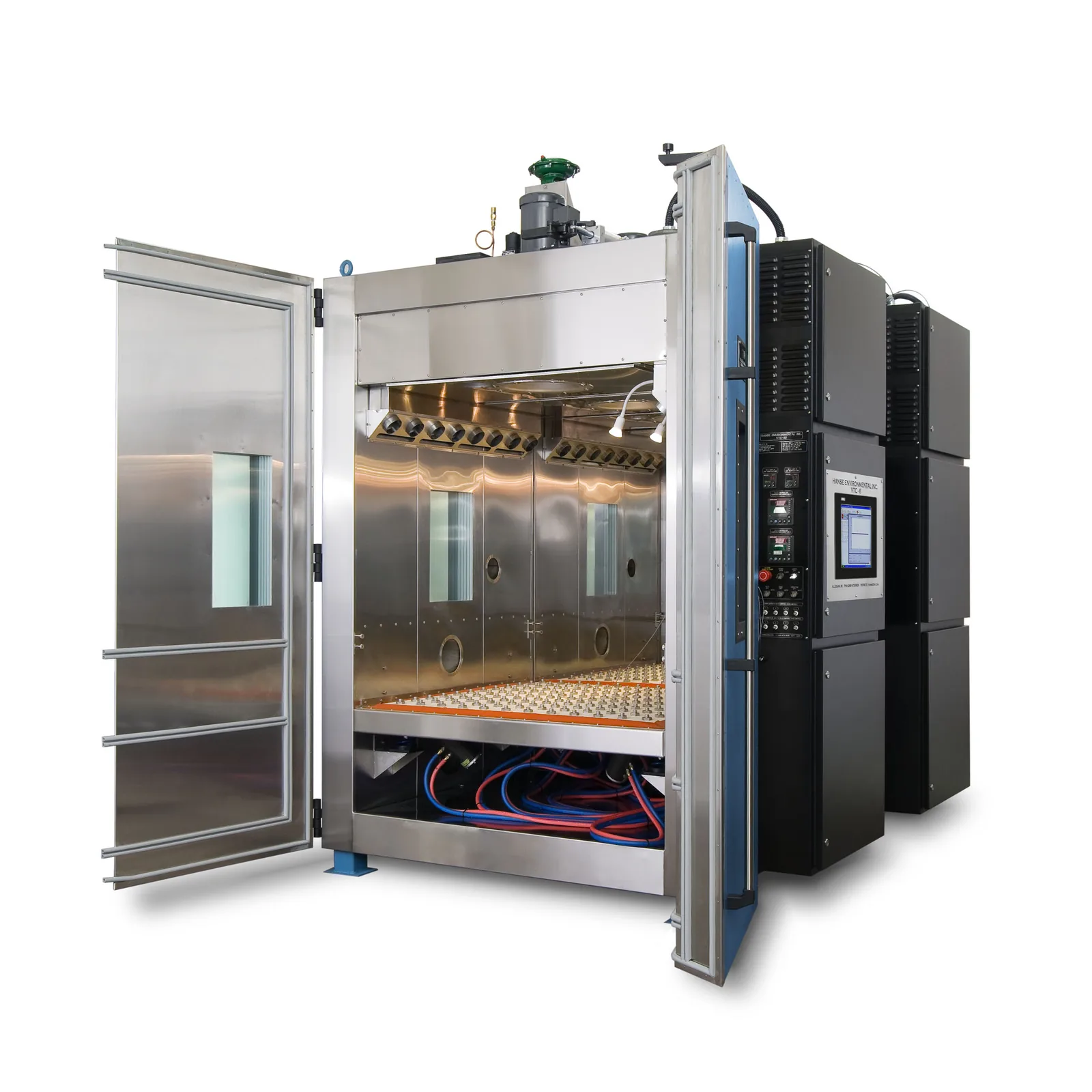
Battery testing environmental chambers are specialized enclosures designed to replicate a wide range of environmental conditions. These conditions include temperature extremes, humidity variations, vibration, and even altitude changes. The goal is to observe how batteries behave under stress and identify potential failure points before they reach the market.
These chambers are essential for industries such as automotive, aerospace, consumer electronics, and military applications. For example, an electric vehicle battery must perform reliably in freezing winters and scorching summers. Similarly, aerospace batteries face unique challenges like rapid pressure changes and extreme cold at high altitudes.
The chambers provide controlled, repeatable environments that allow engineers to:
- Test battery capacity and efficiency under different temperatures.
- Evaluate safety features by simulating thermal runaway scenarios.
- Assess mechanical durability through vibration and shock testing.
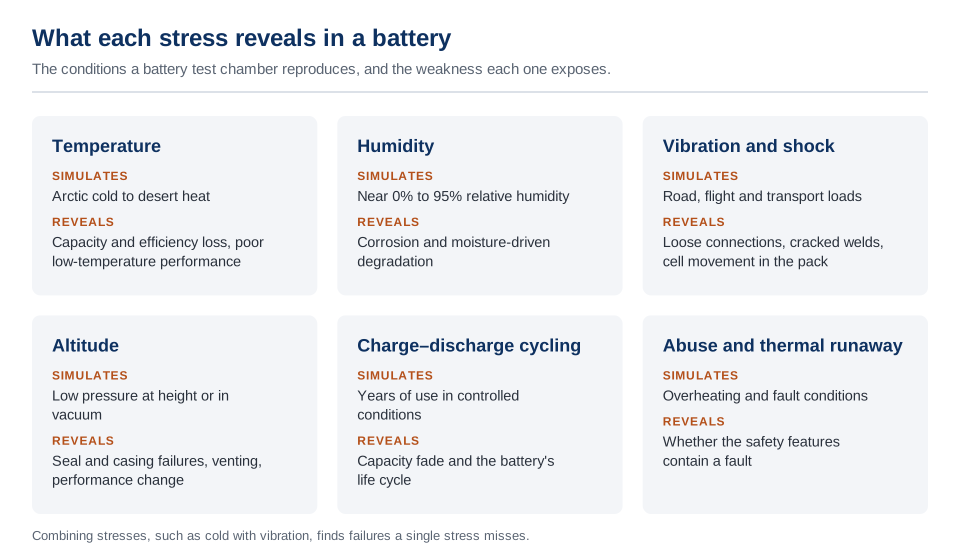
Analyze battery life cycle by cycling through charge and discharge phases in controlled conditions.
By using these chambers, manufacturers can reduce the risk of battery failure, improve product design, and comply with international safety standards.
Key Features of Advanced Battery Testing Environmental Chambers
Modern battery testing environmental chambers come equipped with a variety of features tailored to the complex needs of battery testing. Here are some of the most important:
Precise Temperature Control
Temperature is one of the most critical factors affecting battery performance. Advanced chambers can simulate temperatures ranging from −70 °C to +180 °C or higher. This wide range allows testing of batteries in extreme cold and heat, replicating conditions from Arctic winters to desert summers.
Humidity Regulation
Humidity impacts battery chemistry and can accelerate corrosion or degradation. Chambers with humidity control can maintain relative humidity levels from near 0% to 95%, enabling tests that reveal how moisture affects battery life and safety.
Vibration and Shock Testing
Batteries in vehicles and aerospace applications must withstand constant vibration and occasional shocks. Integrated vibration systems simulate these mechanical stresses, helping engineers identify weaknesses in battery packs or connections.
Altitude Simulation
For aerospace and military batteries, altitude simulation is crucial. Chambers can reduce atmospheric pressure to mimic high-altitude conditions, testing battery performance in low-pressure environments.
Data Acquisition and Monitoring
Advanced chambers include sophisticated sensors and software to monitor temperature, humidity, voltage, current, and other parameters in real time. This data is essential for detailed analysis and reporting.
Safety Features
Given the risks associated with battery testing, such as thermal runaway or gas release, chambers are designed with safety in mind. Features include explosion-proof construction, gas extraction systems, and emergency shutdown protocols.
These features combine to create a versatile testing environment that meets the rigorous demands of modern battery development.
Selecting the Right Environmental Chamber for Battery Testing
Choosing the appropriate environmental chamber depends on several factors related to the specific battery type and application. Here are some considerations to guide your selection:
Battery Chemistry and Size
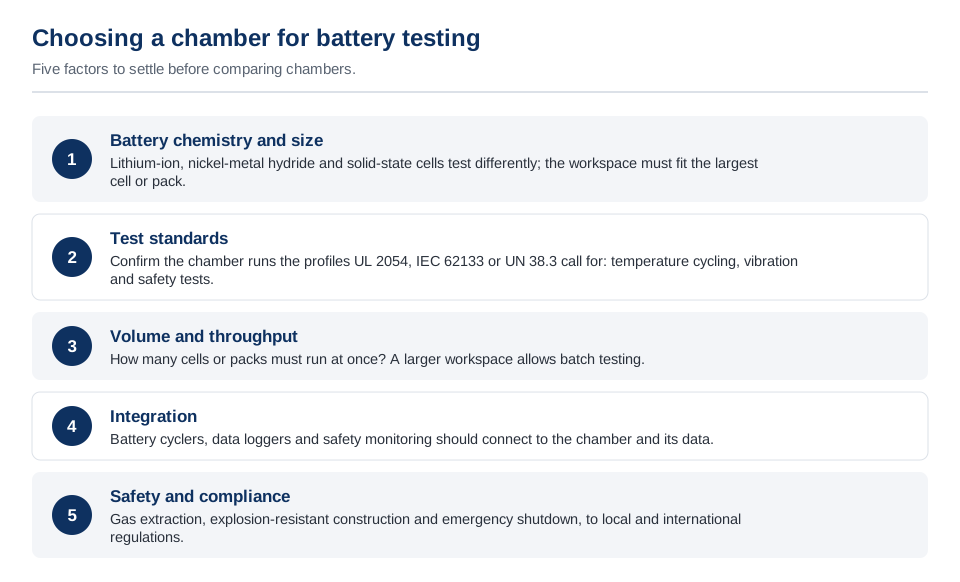
Different battery chemistries (lithium-ion, nickel-metal hydride, solid-state) have unique testing requirements. The chamber must accommodate the physical size of the battery or battery pack and provide the necessary environmental conditions for that chemistry.
Test Standards and Protocols
Industry standards such as UL 2054, IEC 62133, and UN 38.3 specify testing procedures for batteries. Ensure the chamber supports the required test profiles, including temperature cycling, vibration, and safety tests.
| Standard | Covers | Environmental tests it includes |
|---|---|---|
| UN 38.3 | Lithium cells and batteries, before they can be shipped | Altitude simulation, thermal cycling, vibration and shock, alongside electrical and mechanical abuse tests |
| IEC 62133 | Safety of portable sealed secondary cells and batteries | Thermal abuse and high-temperature tests, alongside electrical and mechanical abuse tests |
| UL 2054 | Safety of household and commercial batteries | Temperature cycling, vibration and shock, alongside electrical and fire tests |
Test Volume and Throughput
Consider how many batteries you need to test simultaneously and the chamber’s internal volume. Larger chambers allow batch testing, which can accelerate development cycles.
Integration with Test Equipment
The chamber should integrate seamlessly with battery cyclers, data loggers, and safety monitoring systems. This integration streamlines testing and data collection.
Regulatory Compliance and Safety
Ensure the chamber meets local and international safety regulations. Features like explosion-proof design and gas extraction are critical for safe operation.
By carefully evaluating these factors, you can select a chamber that enhances your testing capabilities and supports product reliability.
Practical Applications and Case Studies
To illustrate the value of advanced battery testing environmental chambers, let’s explore some practical applications across industries:
Automotive Industry
Electric vehicle manufacturers use environmental chambers to simulate real-world driving conditions. For example, a battery pack might be subjected to rapid temperature changes combined with vibration to mimic highway driving in winter. This testing helps identify potential issues like capacity loss or connector failures before vehicles reach consumers.
Aerospace Sector
Batteries used in satellites or aircraft must endure extreme altitudes and temperature fluctuations. Chambers simulate these conditions to verify battery performance and safety. For instance, a satellite battery might be tested for thermal cycling between −40 °C and +60 °C while under vacuum conditions.
Consumer Electronics
Smartphones and laptops rely on compact batteries that must operate safely in diverse environments. Environmental chambers test these batteries for heat tolerance during charging and discharging cycles, ensuring devices remain safe and functional.
Military Applications
Military batteries face harsh environments, including desert heat, arctic cold, and mechanical shocks from transport. Chambers replicate these conditions to certify batteries for mission-critical reliability.
Test Laboratories
Independent labs use environmental chambers to provide third-party validation of battery performance and safety. This testing supports certification and compliance with global standards.
These examples demonstrate how environmental chambers are indispensable tools for advancing battery technology and ensuring product safety.
Maximizing Testing Efficiency and Accuracy
To get the most out of your battery testing environmental chamber, consider these best practices:
Develop Detailed Test Plans
Define clear objectives, test parameters, and acceptance criteria. This ensures tests are focused and results are meaningful.
Calibrate Sensors Regularly
Accurate temperature, humidity, and vibration measurements are essential. Regular calibration maintains data integrity.
Use Realistic Test Profiles
Simulate actual operating conditions as closely as possible. This includes temperature ramps, humidity cycles, and vibration patterns.
Monitor Tests Continuously
Real-time data acquisition allows early detection of anomalies and prevents damage to test samples.
Document and Analyze Results Thoroughly
Detailed records support product development decisions and regulatory submissions.
Maintain Chamber and Equipment
Regular maintenance ensures consistent performance and extends equipment lifespan.
By following these recommendations, you can enhance the reliability of your battery testing and accelerate product development.
Looking Ahead: Innovations in Battery Testing Chambers
The field of battery testing is evolving rapidly, driven by advances in battery technology and increasing safety demands. Some emerging trends include:
- Integration of AI and Machine Learning. These technologies analyze large datasets from tests to predict battery life and failure modes more accurately.
- Multi-Parameter Testing. Chambers capable of simultaneously controlling temperature, humidity, vibration, and electrical load provide more comprehensive insights.
- Sustainability Focus. Energy-efficient chambers reduce environmental impact and operating costs.
- Modular and Scalable Designs. Flexible chambers adapt to different battery sizes and testing needs, supporting rapid innovation.
Staying informed about these developments will help you leverage the latest tools to improve battery testing outcomes.
Enhancing Battery Testing with the Right Environmental Chamber
Choosing and utilizing an advanced environmental chamber for battery testing is a critical step in developing reliable, safe, and high-performance batteries. These chambers provide the controlled conditions necessary to simulate real-world stresses and uncover potential issues early in the design process.
By investing in the right equipment and following best practices, manufacturers and developers can accelerate product development, meet stringent industry standards, and ultimately deliver batteries that perform reliably in demanding applications.
If you are looking to enhance your battery testing capabilities, consider exploring the latest environmental chamber technologies and how they can be tailored to your specific testing requirements. The right chamber is not just a piece of equipment - it is a strategic asset in your product development journey.
For more detailed information on selecting and using an environmental chamber for battery testing, I encourage you to review specialized resources and consult with experts who understand the nuances of battery testing.
By embracing advanced battery testing environmental chambers, you position your products for success in a competitive and safety-conscious market.