
In the fast-paced world of manufacturing and product development, ensuring that products perform reliably under various conditions is crucial. Whether you work in automotive, aerospace, consumer electronics, or military sectors, mastering reliability engineering is essential. Developing expertise through structured training can significantly improve your ability to design, test, and maintain products that meet stringent industry standards. In this post, I will share insights into effective reliability training techniques and how they can help you build a solid foundation in this critical discipline.
Understanding the Importance of Reliability Training Techniques
Reliability training techniques are the backbone of developing skills that ensure products withstand real-world stresses and perform consistently over time. These techniques cover a broad range of topics, including failure modes, environmental testing, statistical analysis, and maintenance strategies. By engaging in targeted training, you gain the ability to:
- Identify potential failure points early in the design phase
- Apply statistical tools to predict product lifespan
- Design tests that simulate real-world conditions accurately
Interpret test data to improve product robustness
For example, in the automotive industry, reliability training techniques help engineers anticipate how components will behave under extreme temperatures or vibrations. This foresight reduces costly recalls and enhances customer satisfaction.

Key Reliability Training Techniques to Master
To build expertise, focus on mastering these core reliability training techniques:
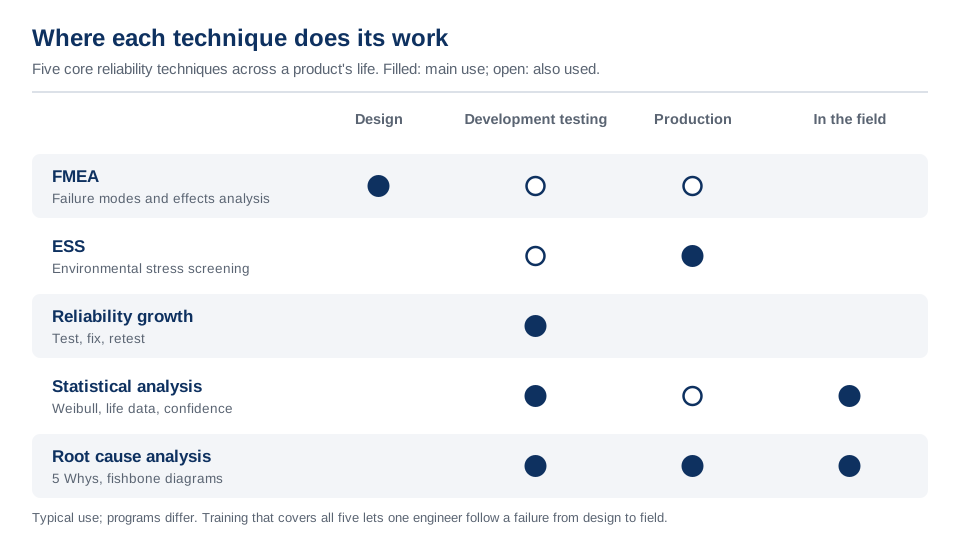
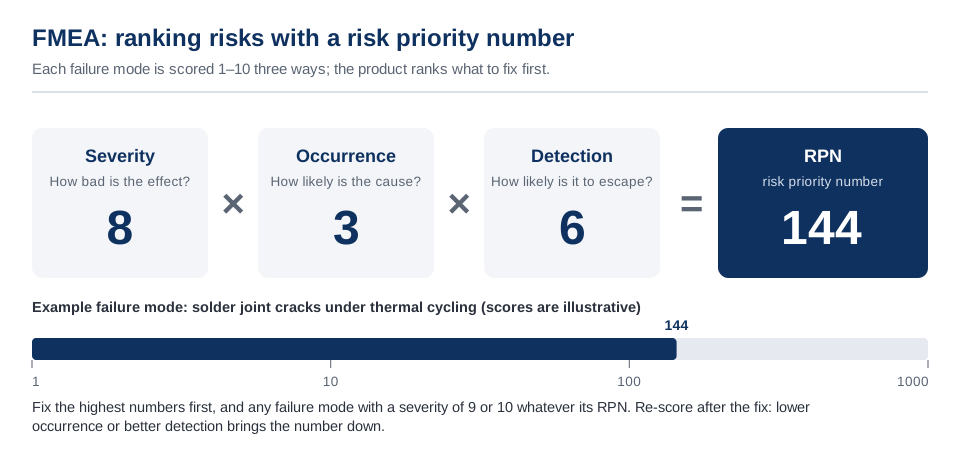
1. Failure Modes and Effects Analysis (FMEA)
FMEA is a systematic approach to identifying potential failure modes within a system and assessing their impact. Training in FMEA teaches you to:
- Break down complex systems into components
- Evaluate the severity, occurrence, and detectability of failures
Prioritize risks and develop mitigation plans
This technique is widely used in aerospace and military applications where safety is paramount.
2. Environmental Stress Screening (ESS)
ESS involves subjecting products to environmental stresses such as temperature cycling, humidity, and vibration to uncover latent defects. Training covers:
- Designing ESS protocols tailored to product specifications
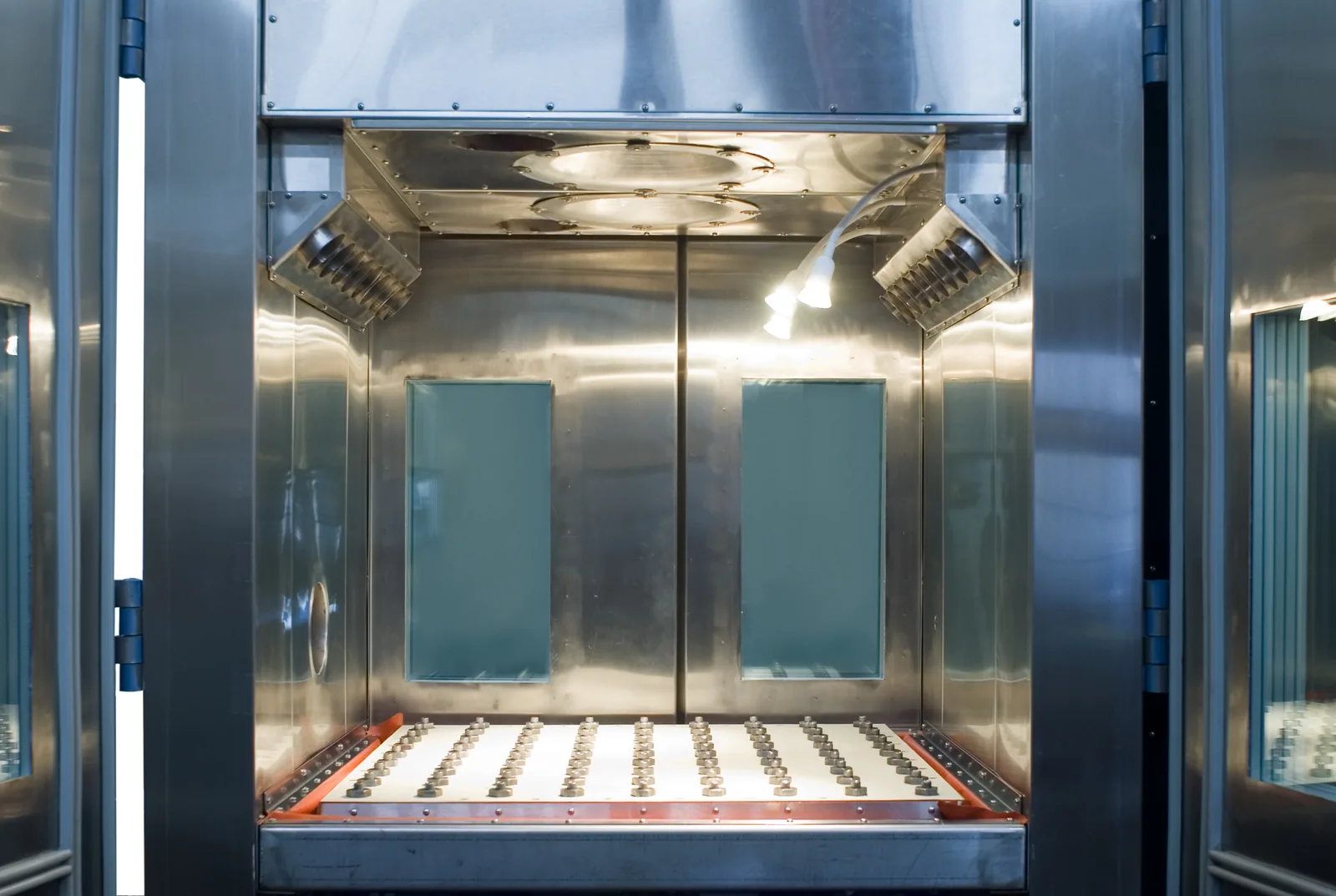
- Using environmental chambers and vibration systems effectively
Analyzing test results to identify weaknesses
ESS is particularly valuable in consumer electronics, where products face diverse operating environments.
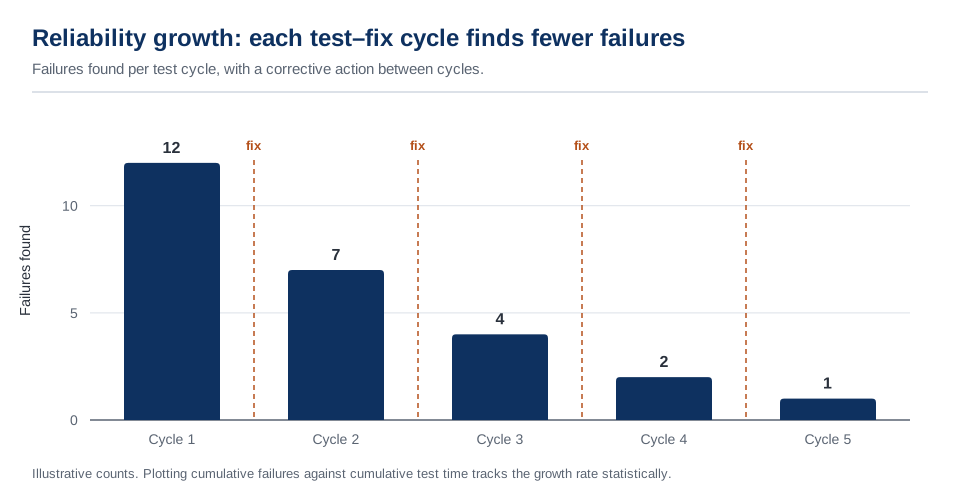
3. Reliability Growth Testing
This technique focuses on iterative testing and improvement. Training includes:
- Planning test cycles to identify failure trends
- Implementing corrective actions between cycles
Using statistical methods to track reliability improvements
Reliability growth testing accelerates product development by systematically reducing failure rates.
4. Statistical Reliability Analysis
Understanding statistical tools is essential for interpreting test data. Training covers:
- Life data analysis (Weibull, exponential distributions)
- Reliability prediction models
Confidence intervals and hypothesis testing
These skills enable you to make data-driven decisions and communicate reliability metrics effectively.
5. Root Cause Analysis (RCA)
When failures occur, RCA helps determine the underlying causes. Training teaches:
- Structured problem-solving methods (5 Whys, Fishbone diagrams)
- Data collection and analysis techniques
Implementing corrective and preventive actions
RCA is critical in all industries to prevent recurring failures and improve product quality.
Practical Applications of Reliability Training Techniques
Applying these techniques in real-world scenarios is where training truly pays off. Let me share some practical examples:
Automotive: Using FMEA during the design of an engine control unit helped identify potential overheating issues. Subsequent ESS testing confirmed the need for improved heat dissipation, leading to design modifications that enhanced reliability.
Aerospace: Reliability growth testing on avionics systems allowed engineers to detect intermittent failures early. By addressing these issues through iterative testing, the final product met rigorous certification standards.
Consumer Electronics: Statistical reliability analysis of smartphone components guided suppliers in selecting materials with better durability, reducing warranty claims.
Military: Root cause analysis of communication equipment failures in harsh environments led to improved sealing techniques, increasing operational readiness.
Test Laboratories: Implementing ESS protocols with advanced environmental chambers enabled precise simulation of field conditions, improving test accuracy and product validation.
How to Choose the Right Reliability Engineering Training
Selecting the appropriate training program is vital to gaining relevant skills efficiently. Here are some tips to help you choose:
Industry Relevance: Ensure the training covers techniques applicable to your sector, whether automotive, aerospace, or electronics.
Hands-On Experience: Look for courses that include practical exercises with real equipment like environmental chambers and vibration systems.
Expert Instructors: Trainers with industry experience can provide valuable insights and answer specific questions.
Comprehensive Curriculum: The program should cover a broad range of topics, from FMEA to statistical analysis and root cause investigation.
Certification: A recognized certification can enhance your professional credibility.
For those seeking advanced and specialized courses, I recommend exploring reliability engineering training offered by Hanse Environmental. Our seminars focus on environmental testing and vibration systems, providing practical knowledge that aligns with industry demands.
Building a Continuous Learning Path in Reliability Engineering
Reliability engineering is a dynamic field. Technologies evolve, and new testing methods emerge. To stay ahead, consider these strategies:
Regular Training Updates: Attend refresher courses and workshops to keep your skills current.
Cross-Disciplinary Learning: Explore related fields such as materials science, quality management, and data analytics.
Networking: Join professional organizations and forums to exchange knowledge with peers.
Hands-On Practice: Apply learned techniques in your projects and document outcomes for future reference.
Leverage Technology: Use software tools for reliability modeling and data analysis to enhance efficiency.
By committing to continuous learning, you ensure your expertise remains relevant and valuable.
Enhancing Product Development with Reliability Expertise
Integrating reliability training techniques into your workflow can transform product development. Here’s how:
Early Risk Identification: Use FMEA and predictive models to address issues before production.
Accelerated Testing Cycles: Implement reliability growth testing to shorten development timelines.
Improved Product Quality: Apply ESS and root cause analysis to enhance durability and reduce failures.
Cost Savings: Prevent costly recalls and warranty repairs by ensuring reliability upfront.
Customer Satisfaction: Deliver products that perform consistently, building brand trust.
These benefits align with the goal of Hanse Environmental, which provides advanced testing chambers and vibration systems to help manufacturers rigorously test and improve their products.
Mastering reliability training techniques is a journey that requires dedication and the right resources. By investing in quality training and applying these methods, you can build expertise that drives innovation and excellence in your industry.