
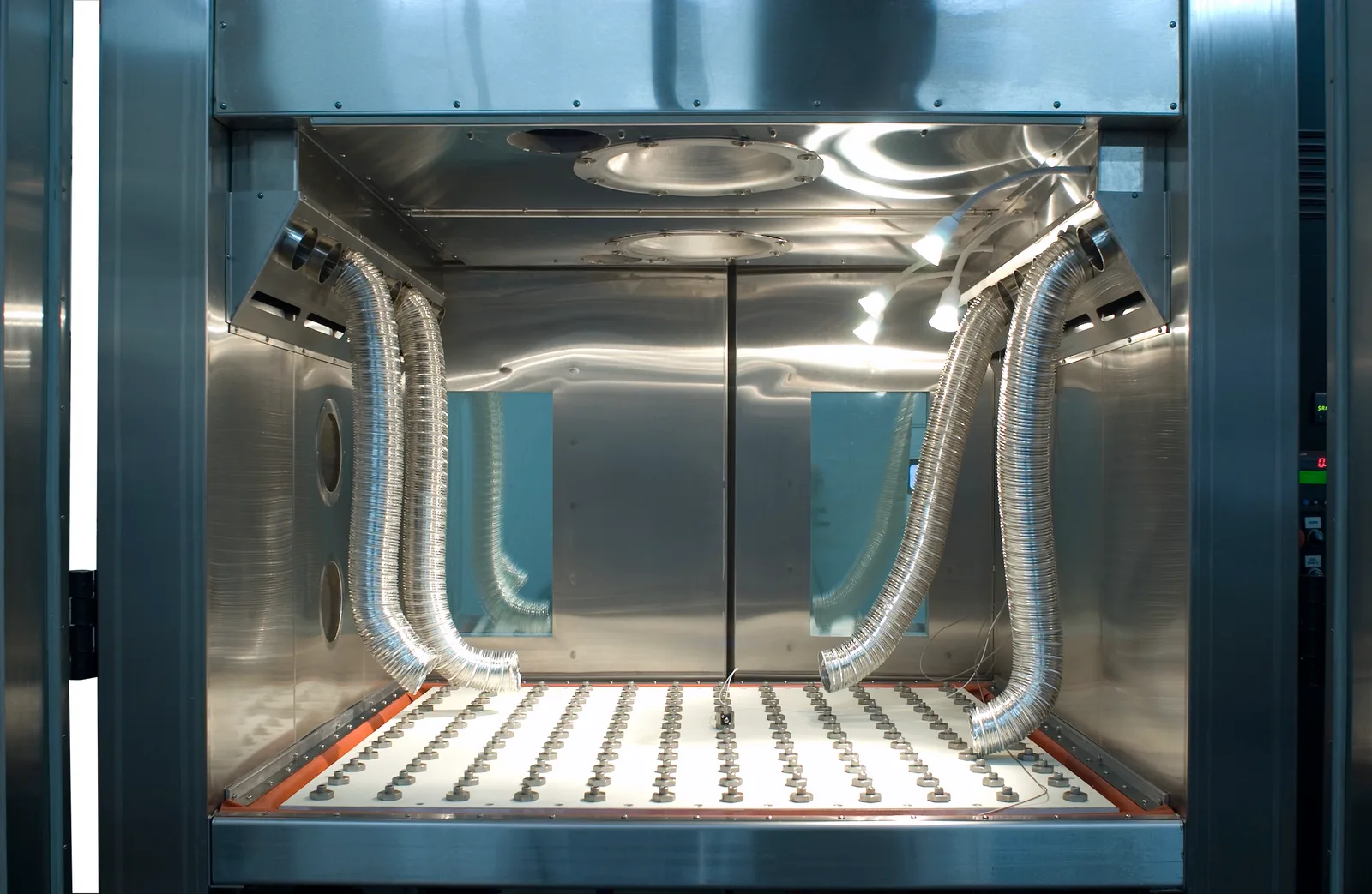
In the fast-paced world of product development, ensuring reliability and durability is paramount. Accelerated chamber testing plays a crucial role in this process by simulating harsh environmental conditions to identify potential product failures early. Among the tools available, the HALT/HASS chamber stands out as a versatile solution for stress testing. In this article, I will share insights on how to optimize the use of these chambers to maximize testing efficiency and product reliability.
Understanding Accelerated Chamber Testing and Its Importance
Accelerated chamber testing involves exposing products to extreme environmental conditions such as temperature, humidity, and vibration to simulate years of wear and tear in a short period. This method helps manufacturers identify weaknesses and improve product designs before mass production.
For example, in the automotive industry, components like sensors and electronic control units must withstand temperature fluctuations and mechanical shocks. Accelerated testing can reveal vulnerabilities that might cause failures in real-world conditions. Similarly, aerospace components undergo rigorous testing to ensure they perform reliably under extreme altitudes and temperatures.
To optimize accelerated chamber testing, it is essential to:
- Define clear test objectives based on product specifications.
- Select appropriate test profiles that mimic real-world conditions.
- Monitor and record data meticulously for analysis.
Adjust test parameters based on initial results to refine testing.
By following these steps, you can reduce development cycles and improve product quality.
Best Practices for Using Accelerated Chambers Effectively
Using accelerated chambers effectively requires a combination of technical knowledge and practical experience. Here are some actionable recommendations to get the most out of your testing:
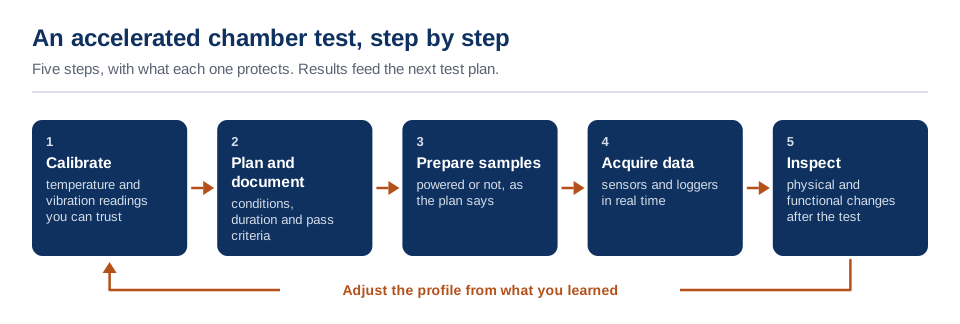
Pre-Test Calibration
Ensure that the chamber is calibrated regularly. Calibration guarantees that temperature, humidity, and vibration settings are accurate, which is critical for reliable test results.
Test Planning and Documentation
Develop detailed test plans that include environmental conditions, duration, and acceptance criteria. Documenting every step helps maintain consistency and traceability.
Sample Preparation
Prepare test samples carefully. For instance, electronic devices should be powered on or off according to the test plan. Proper sample handling prevents damage unrelated to the test conditions.
Data Acquisition and Analysis
Use integrated sensors and data loggers to capture real-time data. Analyze this data to identify trends and anomalies that indicate potential failure modes.
Post-Test Inspection
After testing, conduct thorough inspections to assess physical and functional changes. This step is vital for correlating test conditions with product performance.
By implementing these practices, you can enhance the reliability of your accelerated chamber testing and gain valuable insights into product durability.
What is the difference between HASS and HALT?
Understanding the distinction between Highly Accelerated Stress Screening (HASS) and Highly Accelerated Life Testing (HALT) is essential for selecting the right testing approach.
HALT is primarily a development tool used early in the product design phase. It applies extreme stresses to identify design weaknesses and improve robustness. HALT is exploratory and helps engineers push products beyond their expected limits.
HASS, on the other hand, is a production screening method. It applies stresses derived from HALT results to detect manufacturing defects and ensure product consistency. HASS is more controlled and repetitive, focusing on quality assurance.
For example, in consumer electronics, HALT might reveal the vibration level at which a circuit board stops working. HASS would then screen every unit at a level below that operating limit, above specification, to catch defective boards.
Both methods complement each other and are often used sequentially to enhance product reliability and manufacturing quality. For when to run HALT, HASS or both, see HALT vs HASS: which test, and when.
Integrating Vibration and Environmental Stress for Comprehensive Testing
One of the key advantages of accelerated chamber testing is the ability to combine multiple stress factors, such as temperature cycling and vibration, to simulate real-world conditions more accurately.
For instance, aerospace components experience both thermal extremes and mechanical vibrations during flight. Testing these stresses simultaneously can uncover failure modes that might not appear under isolated conditions.
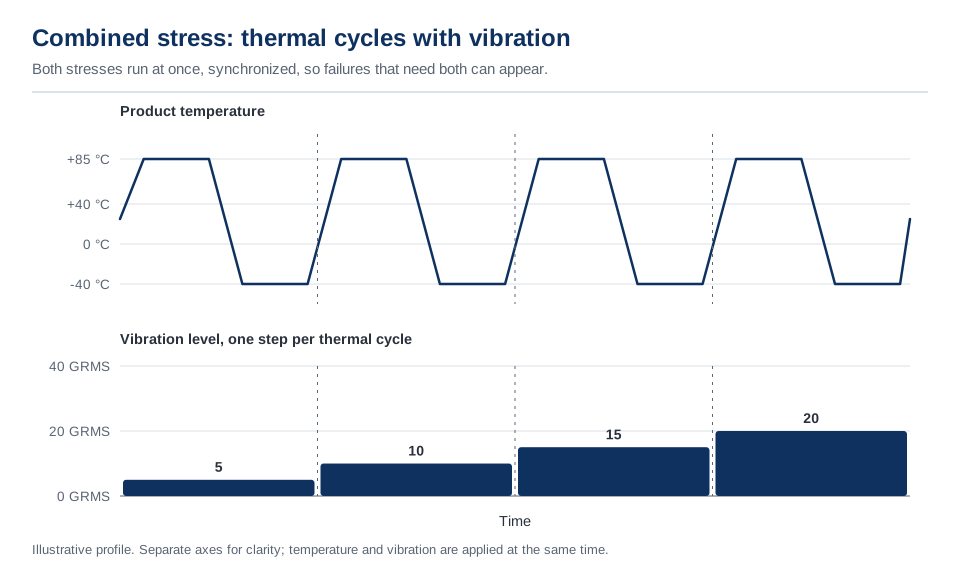
To optimize this integration:
- Use chambers equipped with vibration systems capable of replicating specific frequency ranges.
- Develop test profiles that synchronize temperature changes with vibration patterns.
Monitor product responses closely to identify synergistic effects of combined stresses.
This approach leads to a more thorough understanding of product durability and helps engineers design more robust solutions.
Maximizing Efficiency with Advanced Chamber Features
Modern accelerated chambers come with advanced features that can significantly improve testing efficiency and accuracy. Leveraging these features can save time and resources.
- Automated Test Sequencing. Automate test cycles to run unattended, allowing continuous operation and freeing up technician time.
- Remote Monitoring and Control. Use software interfaces to monitor tests remotely, receive alerts, and adjust parameters without being physically present.
- Data Integration. Integrate chamber data with enterprise systems for seamless reporting and analysis.
- Customizable Test Profiles. Tailor test conditions to specific product requirements, ensuring relevant and effective testing.
By embracing these technologies, you can streamline your testing processes and accelerate product development timelines.
Enhancing Product Reliability Through Optimized Testing
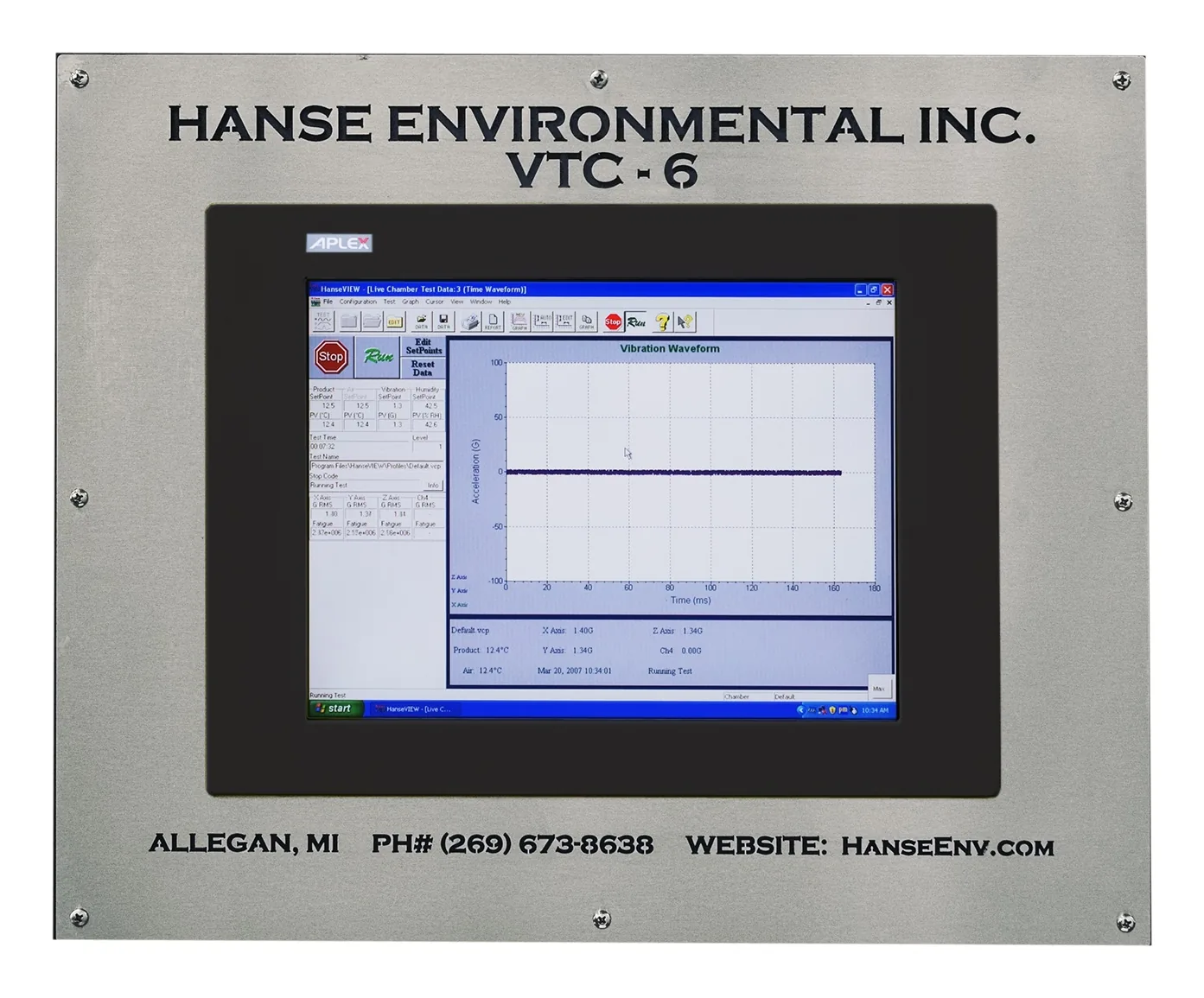
Optimizing the use of a HALT/HASS chamber is not just about running tests; it is about creating a feedback loop that continuously improves product design and manufacturing quality.
- Use test results to inform design changes and material selection.
- Collaborate closely with design and manufacturing teams to address identified issues.
- Implement regular training for technicians to keep skills up to date.
Schedule periodic reviews of test protocols to incorporate new industry standards and technologies.
This holistic approach ensures that accelerated chamber testing contributes meaningfully to product reliability and customer satisfaction.
By focusing on these strategies, you can harness the full potential of accelerated chamber testing to deliver products that meet the highest standards of durability and performance.